
I’m Eddie, and after more than twenty years of crawling through ductwork across Phoenix, AZ and the wider Phoenix, AZ metro, I’ve seen things behind laundry room walls that would make a grown adult go pale. Gas Dryer Vent Safety Concerns aren’t just a talking point — they’re the kind of quiet hazard that tends to reveal itself at the worst possible moment. With a gas dryer in your home, the stakes are higher than most people realize, and the fix is usually simpler than they fear. Let’s get into it.
Why Gas Dryer Venting Is a Different Animal
An electric dryer with a clogged vent is a fire risk. A gas dryer with a clogged or improperly installed vent is a fire risk and a carbon monoxide risk. That distinction matters. When combustion gases can’t exit cleanly through the vent, they look for another way out — and sometimes that way out is back into your laundry room, your hallway, or the bedroom where your kids sleep. According to NFPA data on dryer fire causes and prevention, failure to clean dryer vents is the leading cause of dryer fires in U.S. homes. Gas dryers add the combustion byproduct layer on top of that.
In neighborhoods like Paradise Valley and Scottsdale, we see a lot of larger homes with longer duct runs — sometimes winding through cabinets or across an entire wall before reaching the exterior. Longer runs mean more resistance, more lint traps, and more opportunity for something to go sideways. Near Kierland Commons in Scottsdale or along the Chandler Boulevards in Gilbert, the homes are newer but the builder-grade flex duct installations are just as problematic. The zip code doesn’t protect you.
The Three Problems We Find Most Often
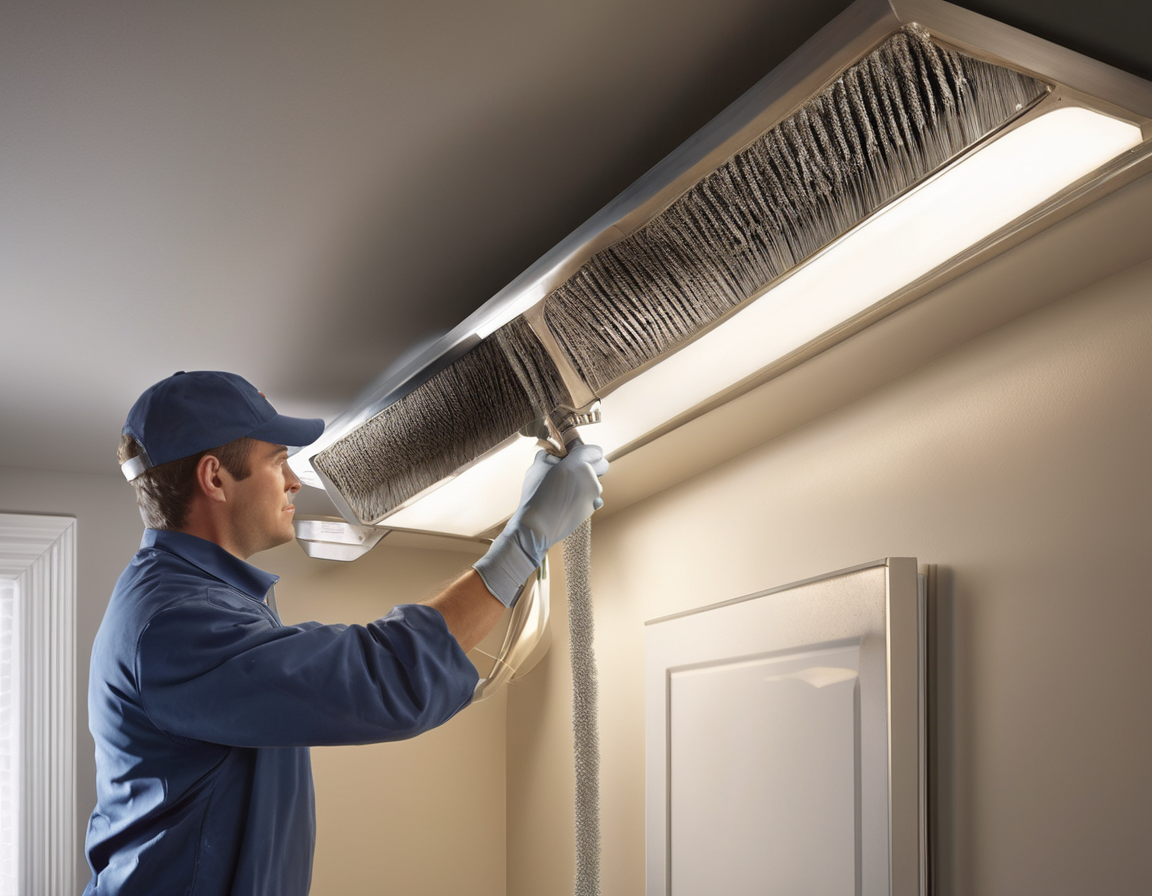
- Wrong duct material. Flexible plastic or foil accordion duct is still being installed in 2024. It traps lint in every ridge, collapses easily, and is not code-compliant for gas dryers. Rigid aluminum dryer duct installation is the standard — smooth interior, no ridges, no sag.
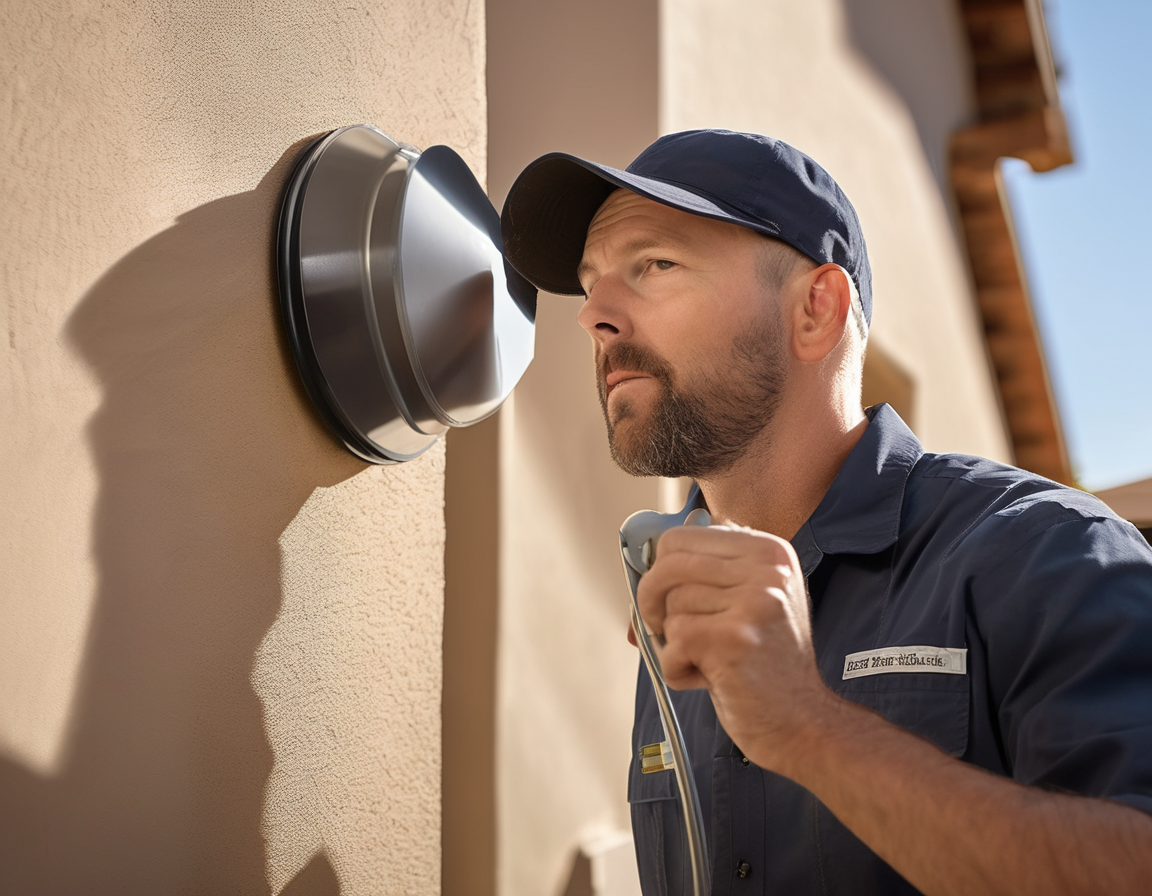
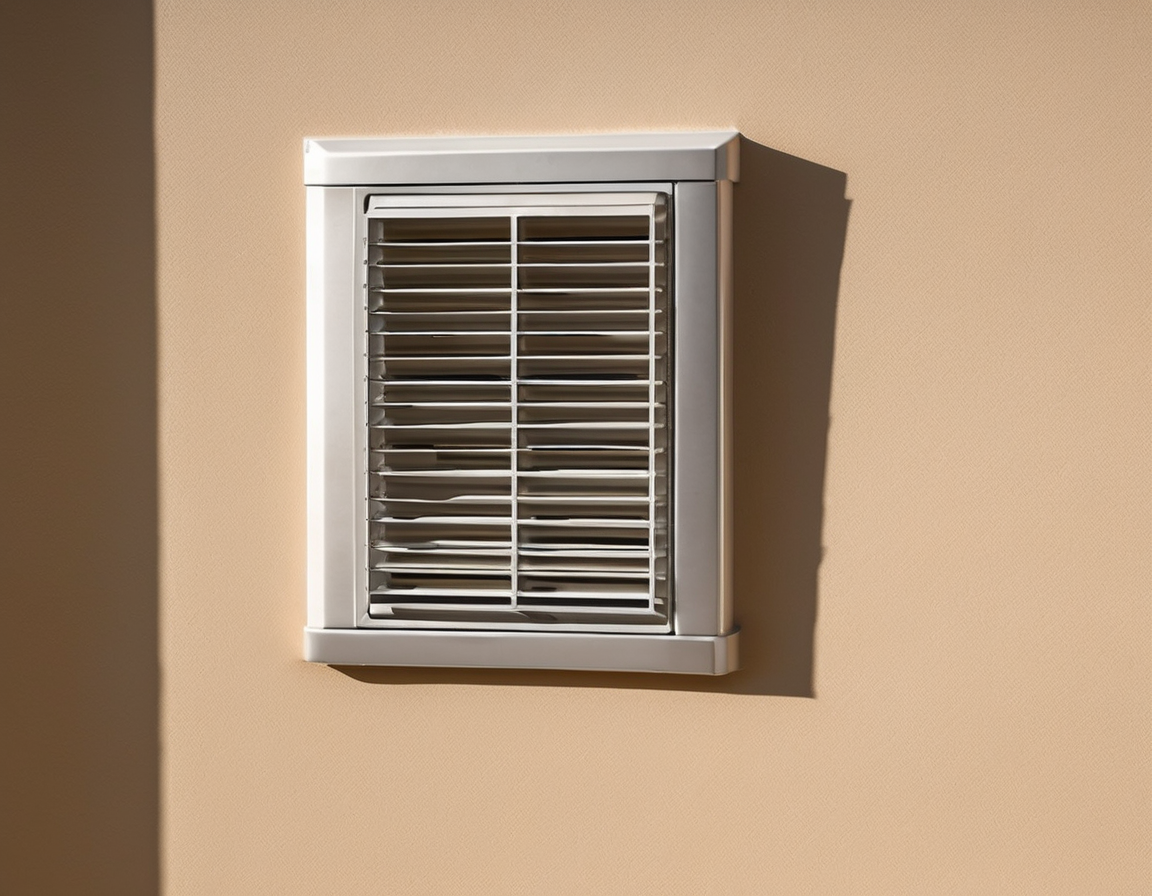
- Improper wall termination. The exterior dryer vent wall termination should open freely when the dryer runs and close completely when it doesn’t. We find caps that are painted shut, crushed by stucco repairs, or missing their flap entirely — which invites birds, debris, and hot AZ air straight back into the duct.
- Kinked or compressed duct behind the dryer. People push the dryer back against the wall and crush the duct into a 90-degree fold. Airflow drops, heat builds, lint accumulates. If you’ve noticed your dryer taking two full cycles to dry one load, a kinked duct is high on the suspect list.
A dryer vent that looks fine from the outside can be 80% blocked from the inside. The exhaust finds its way out — just not fast enough to keep your family safe.
Gas Dryer Improper Venting Danger — By the Numbers
| Condition | Risk Level | Action Needed |
|---|---|---|
| Flex plastic duct on gas dryer | High — fire & CO | Replace with rigid aluminum immediately |
| Duct run over 25 ft (no offsets) | Medium-High | Inspect, clean, and verify airflow |
| Blocked or missing exterior cap | High | Replace cap, clear blockage |
| Last cleaned 3+ years ago | Medium | Schedule professional cleaning now |
| Dryer feels unusually hot | High | Stop use, inspect duct immediately |
If your dryer is running hot to the touch, don’t just crack a window and hope for the best. Read more about signs your dryer is running dangerously hot — it’s usually the vent, and it’s usually fixable the same day.
What a Proper Dryer Vent Cleaning and Inspection Actually Covers
When we service a gas dryer vent, we’re not just running a brush through the pipe and calling it done. We check the duct material from connection to termination, measure airflow at the exterior cap, inspect every joint for separation or tape failure, and confirm the wall cap damper is moving freely. In Phoenix, AZ homes, especially those built in the 1990s and early 2000s, we find separation at joints surprisingly often — warm desert air dried out the adhesive years ago and nobody knew.
We also check whether the installation actually meets current code. Dryer vent code requirements for Gilbert and Chandler homes have specific maximum run lengths and transition duct rules — requirements that were often ignored during original construction. And if the duct itself is compromised beyond cleaning, we’ll tell you straight: when to replace your dryer duct entirely instead of just cleaning it is a call we make based on what we actually find, not what pads a ticket.
One more thing worth knowing: when a kinked dryer duct becomes a real fire hazard is not a hypothetical — we document these on every visit. A single bend crushed to half its diameter restricts more airflow than an extra ten feet of straight duct.
Bottom line: gas dryer venting is not a set-it-and-forget-it situation. The AZ climate is hard on duct materials, the desert dust finds its way into everything, and most homes in Phoenix, AZ haven’t had this checked since they moved in. If you’re not sure when yours was last serviced — or if it ever was — that’s the answer right there.
Give Pure Air Service a call at (623) 552-3176. We’ll tell you exactly what’s going on, show you what we find, and fix it properly — the first time.
Some content on this site is AI-assisted and may not reflect exact current details — please verify with Pure Air Service at (623) 552-3176. Learn more.