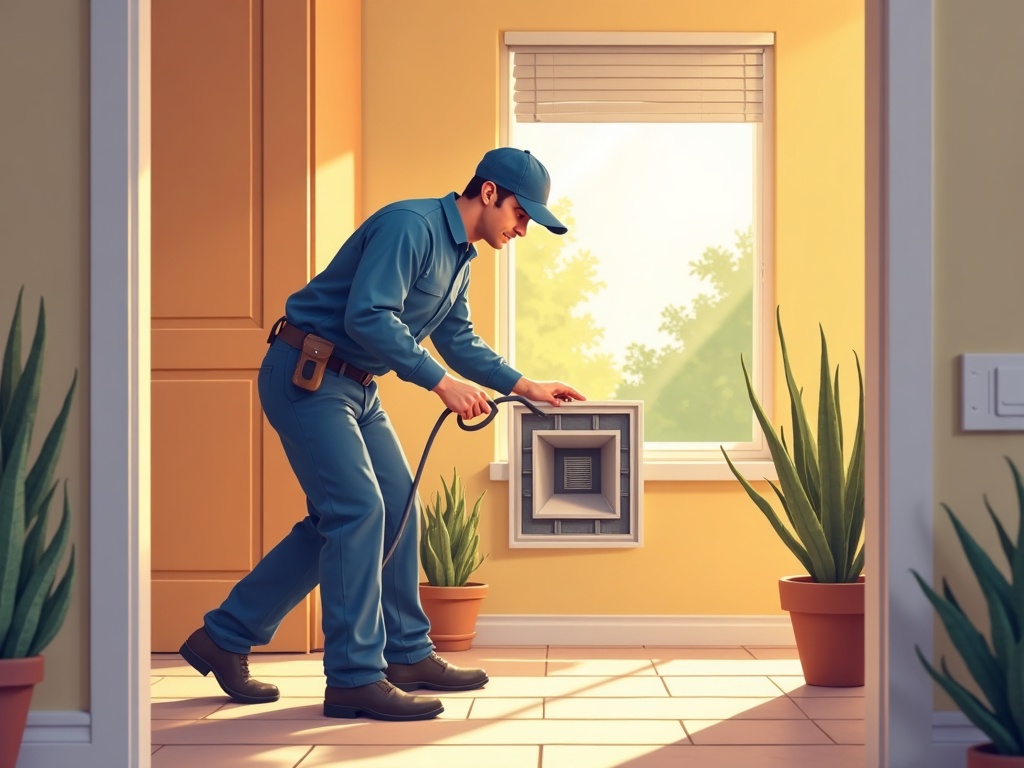
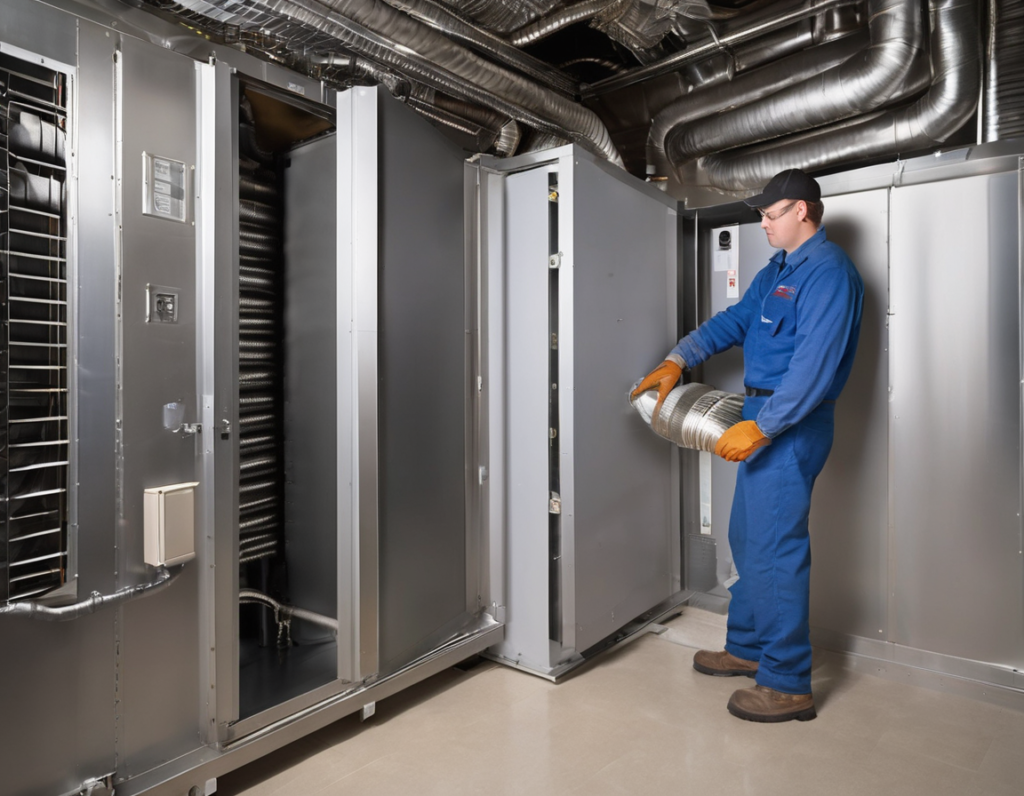
I’m Eddie, and after more than 20 years crawling through attics across Scottsdale, Paradise Valley, Phoenix, Chandler, and Gilbert, I can tell you with complete confidence: the dirtiest part of most HVAC systems isn’t the ductwork. It’s the Air Handler Cabinet Cleaning sitting right next to your air handler — the metal box almost nobody ever opens, let alone cleans. Homeowners will spend real money on duct cleaning, swap filters religiously, and still wonder why their kid is sneezing every morning or why the APS bill looks like a mortgage payment. Nine times out of ten, that cabinet is involved.
What Even Is the Air Handler Cabinet?
The air handler cabinet is the indoor unit of your HVAC system — the metal enclosure that houses your blower fan, evaporator coil, and in most Phoenix, AZ homes, your filter rack. It’s the central hub every cubic foot of air in your house passes through before it gets cooled and pushed back into your living space. Think of it less like a box and more like a lungs — except nobody’s cleaning it.
After three, five, ten years of Arizona operation, the inside of that cabinet collects dust, mold spores, skin cells, pet dander, and whatever blew in off the desert during the last haboob. The filter catches some of that — but not all of it. Not even close.
The Air Handler Cabinet Cleaning Nobody Performs — And Why It Costs You
Here’s where I get a little cynical. The national franchise crews that show up with a $49 coupon and a leaf blower — they’ll run their equipment through the ducts, hand you a before-and-after photo of a vent cover, and call it done. What they almost never touch is the cabinet itself. Those discount deals usually cost you more in the long run because the real contamination source stays behind.
When we talk about HVAC system cleaning vs duct cleaning, this is exactly the distinction that matters. Duct cleaning addresses the pipes. A full HVAC cleaning includes the cabinet, the coil, the blower wheel, and the drain pan. Skipping the cabinet is like mopping the kitchen floor but leaving the oven black.
“The air handler cabinet is where contamination lives between the filter and your lungs. Clean the ducts all you want — if that cabinet is coated in buildup, you’re redistributing the problem, not solving it.”
— Eddie, Pure Air Service
The Evaporator Coil: Small Surface, Big Consequences
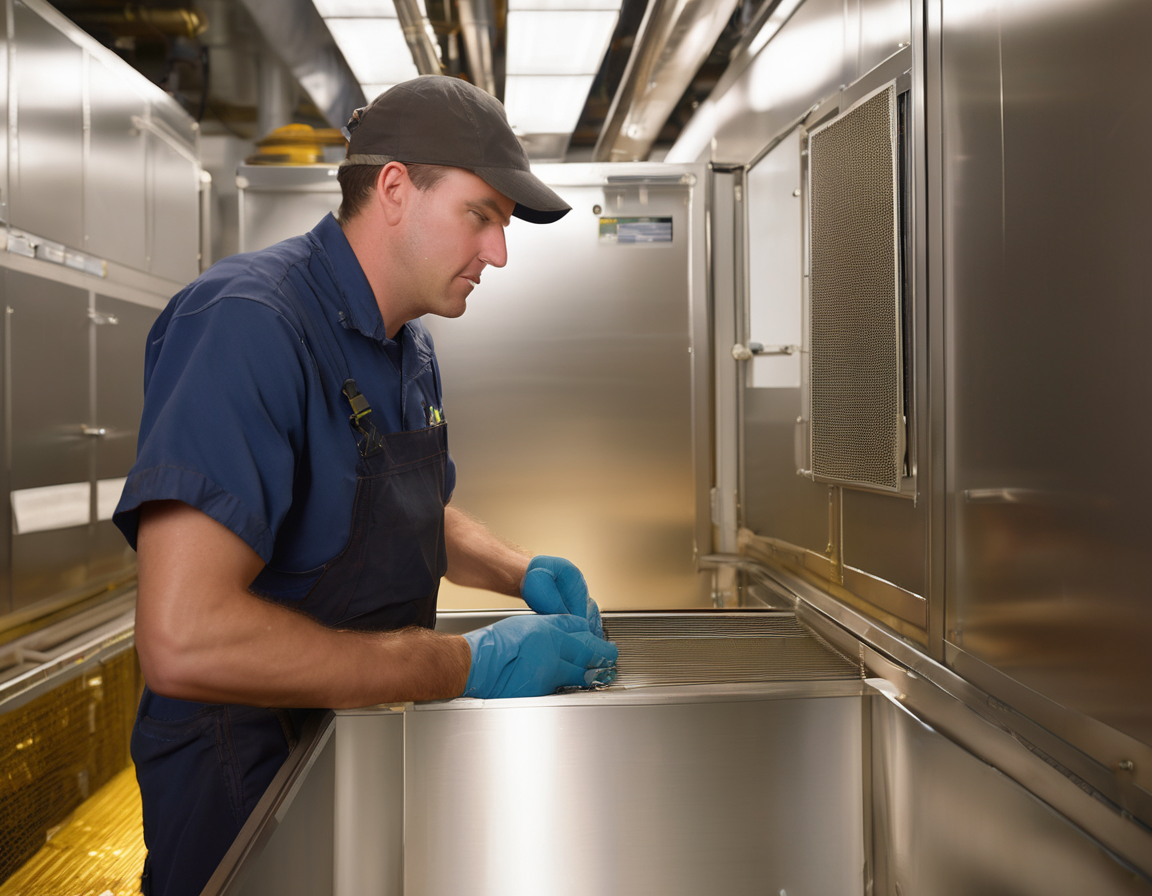
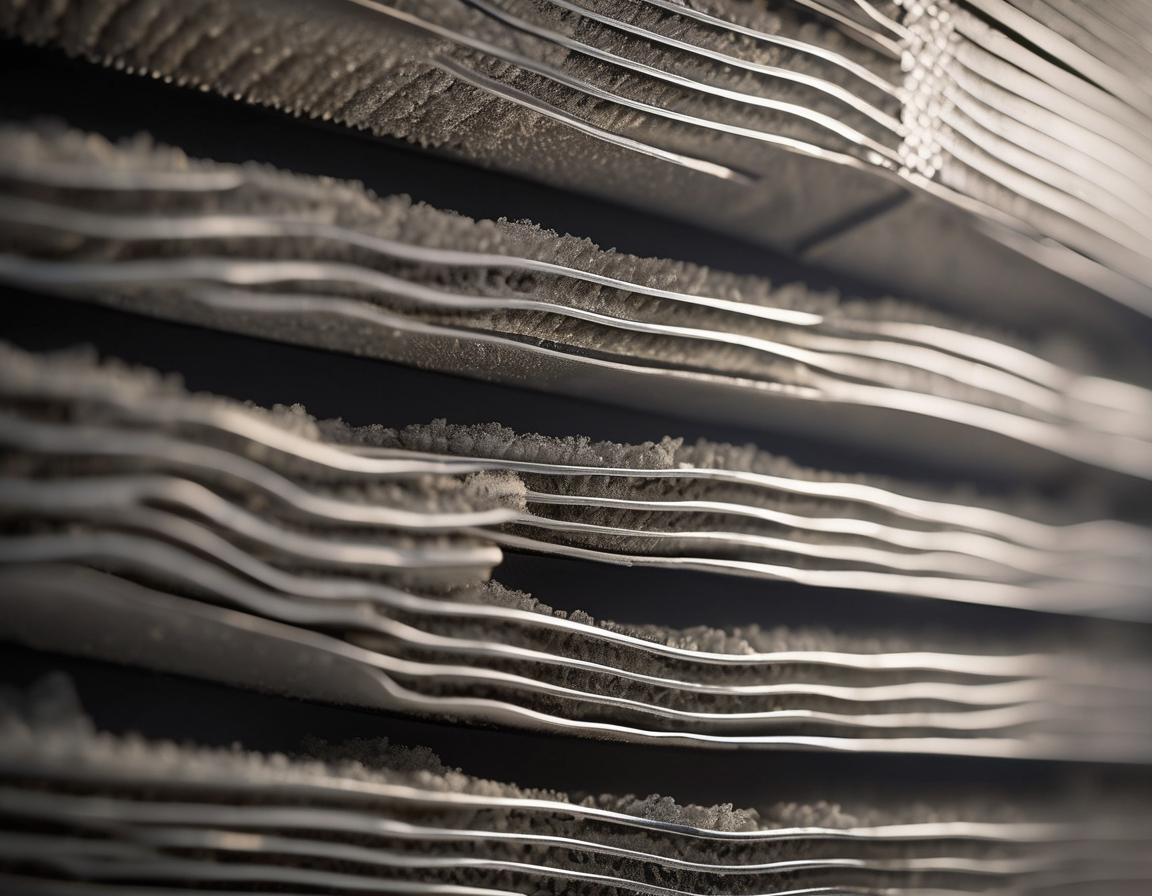
Inside the cabinet sits the evaporator coil — a dense set of aluminum fins that chills the air. In Phoenix, AZ‘s climate, where your system runs nine months out of twelve, that coil gets wet from condensation every single cycle. Dust sticks to wet metal. Mold follows. Over time, a coated coil can’t transfer heat efficiently, which means your system runs longer to reach the same temperature.
The evaporator coil cleaning benefits are measurable: studies by the EPA and ASHRAE both point to coil fouling as one of the leading causes of HVAC inefficiency in residential systems. A clean coil can restore system capacity and shave real dollars off your cooling costs — which in a Chandler or Gilbert home running a 4-ton unit through a Phoenix summer, is not a small thing. You can read more from the EPA’s indoor air quality guidance if you want the science behind it.
What a Proper Cabinet Cleaning Actually Involves
When we open a cabinet at a home in Paradise Valley or Scottsdale, we’re looking at several distinct zones. Here’s what a thorough cleaning covers:
- Blower wheel and housing — the fan that moves air collects a thick layer of compacted dust. A clogged blower works harder and delivers less airflow.
- Evaporator coil fins — cleaned with a purpose-formulated coil cleaner, not a garden hose and hope.
- Drain pan and condensate line — standing water plus organic debris equals mold. We see algae-blocked drain lines regularly in Phoenix, AZ homes.
- Cabinet interior walls — biofilm can develop on the surfaces air contacts before it ever reaches your vents.
- Filter rack and seal — a warped or improperly sealed rack allows unfiltered air to bypass the filter entirely.
| Component | What Builds Up | Effect When Neglected |
|---|---|---|
| Blower Wheel | Compacted dust and lint | Reduced airflow, higher energy use |
| Evaporator Coil | Dust, mold, biofilm | Poor cooling efficiency, allergy triggers |
| Drain Pan | Algae, standing water, mold | Water damage, musty odors, mold spread |
| Cabinet Walls | Dust, biofilm | Continuous recirculation of contaminants |
| Filter Rack Seal | Warping, gaps | Unfiltered air bypasses filter entirely |
HVAC Efficiency Improvement Starts Before the Ducts
If your home in Phoenix or Scottsdale still feels stuffy after a duct cleaning, or you’re noticing dust settle back on surfaces within days — there’s usually a reason your house stays dusty even after cleaning — the cabinet is the first place we look. HVAC efficiency improvement isn’t always about the ducts. Sometimes it’s the 30 inches of metal right at the source.
We’ve also found situations where the cabinet itself had never been cleaned since original installation — in homes that were 12, 15 years old. If you’re not sure what your system looks like inside, here’s what the inside of your ductwork and air system actually looks like after years of use. It’s not pretty, but it’s honest.
And if you’re comparing quotes or trying to figure out whether a company is actually going to do this work, learn how to read a duct cleaning quote and spot the line items that should raise a flag. A quote that doesn’t mention the air handler cabinet isn’t a full-system cleaning — it’s duct cleaning with a fancy name.
We serve homeowners across Paradise Valley, Phoenix, Chandler, and Gilbert — and we show up as the same family every time, not a rotating crew of strangers. If you want someone to open that cabinet, show you what’s inside, explain every step, and leave your system genuinely cleaner — not just technically serviced — call Pure Air Service at (623) 552-3176. We’ll take care of it the same way we’d take care of our own home. Because around here, that’s not a slogan. It’s just how we work.
Some content on this site is AI-assisted and may not reflect exact current details — please verify with Pure Air Service at (623) 552-3176. Learn more.