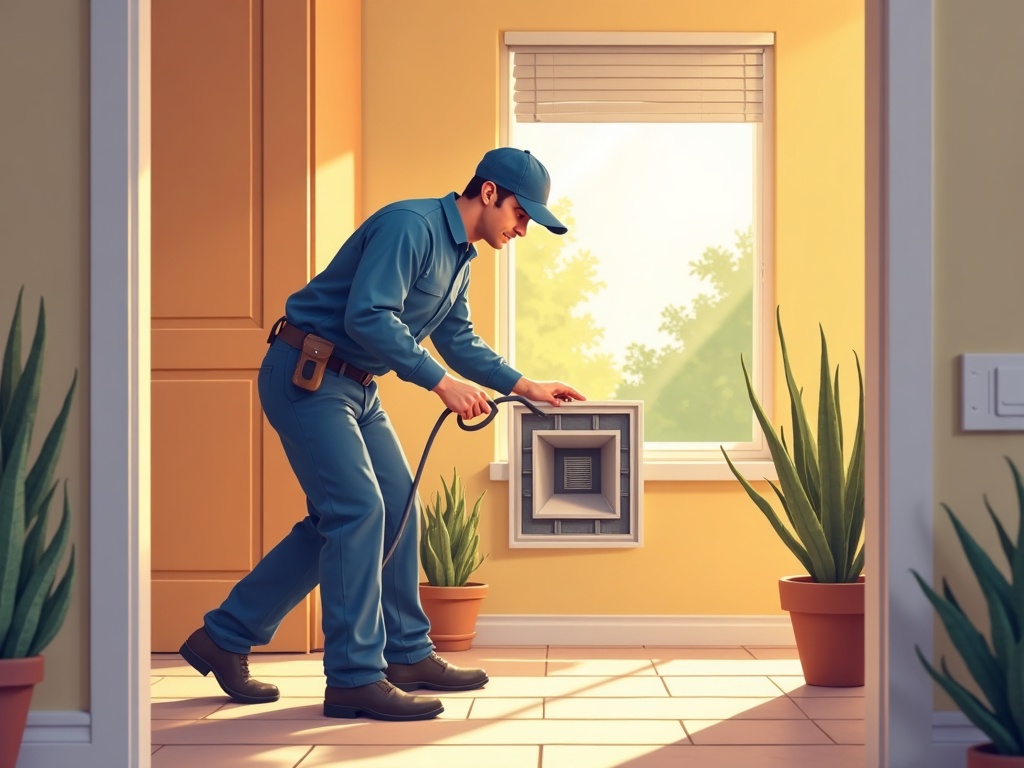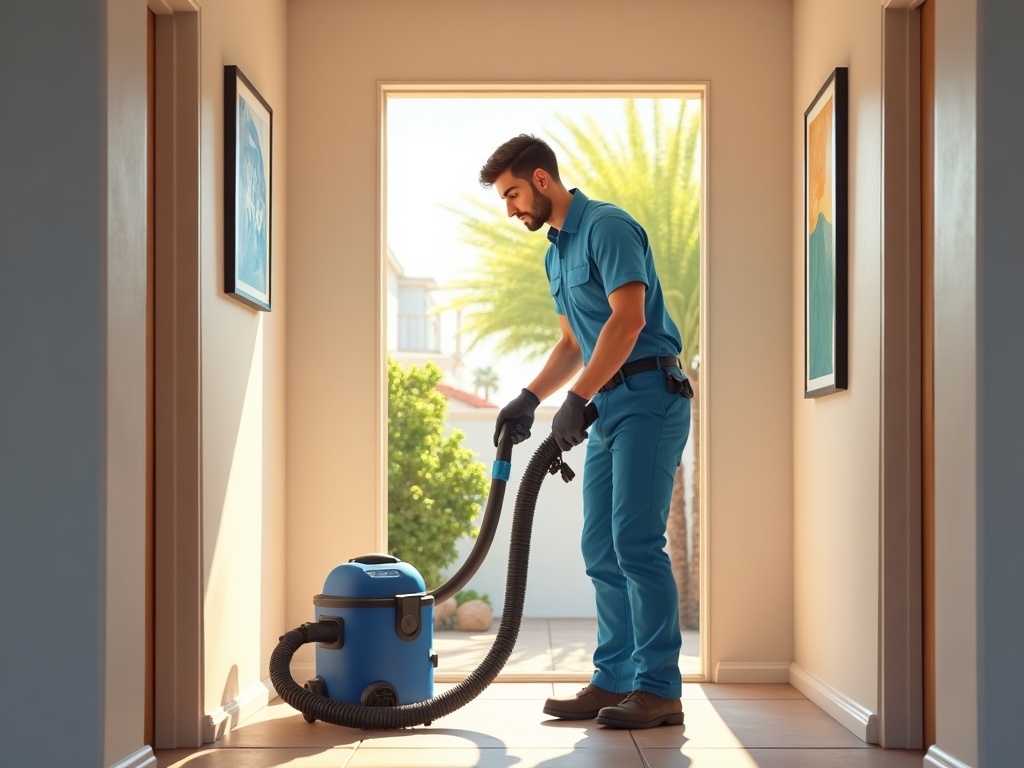
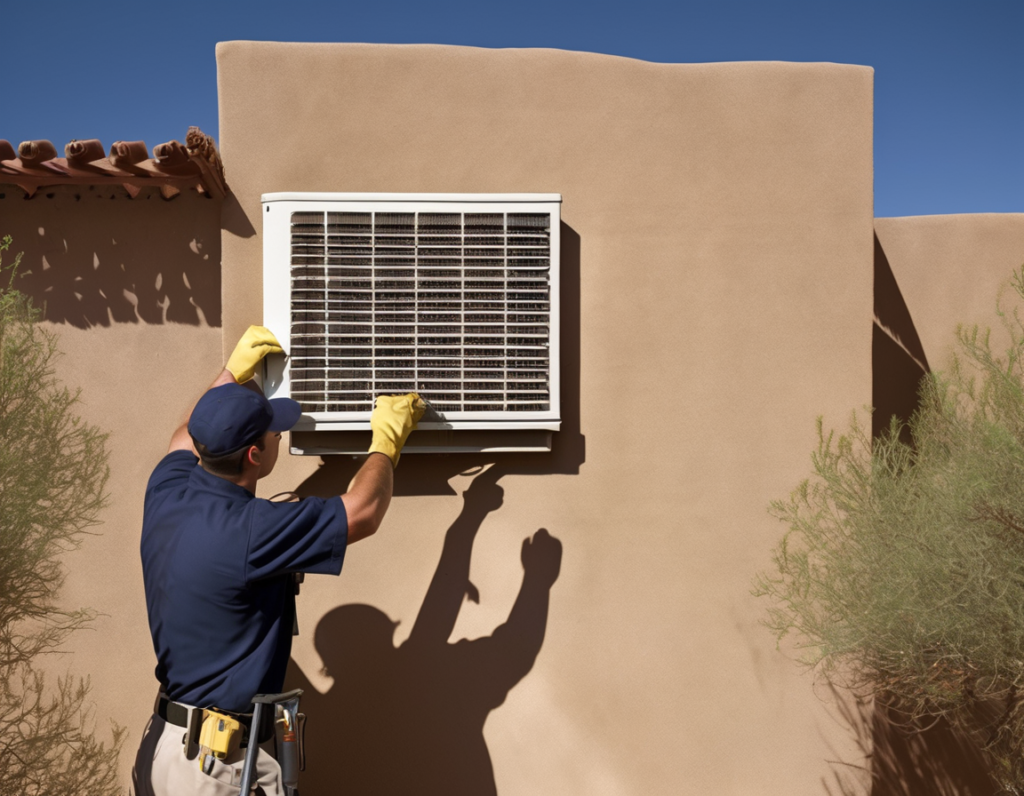
I’m Eddie, and I’ve been crawling through ductwork in AZ for over twenty years. If there’s one thing homeowners in Phoenix, AZ consistently overlook, it’s the fresh air intake — that vent on the outside of your home that’s supposed to bring in clean outdoor air. The problem? In a city that sits under a brown cloud of traffic exhaust, construction dust, and the occasional smoke plume drifting in from wildfires up near Tonto National Forest, “outdoor air” isn’t exactly pristine. When your system hasn’t had proper HVAC Fresh Air Intake Cleaning in years, that intake becomes a direct pipeline for everything you’re trying to keep your family away from.
What the Fresh Air Intake Actually Does — and Why It Gets Ignored
Most homeowners near Biltmore or up in the North Mountain corridor don’t even know their HVAC has a fresh air intake. They assume the system just recirculates indoor air. It doesn’t — at least not entirely. Many systems, especially in homes built after the early 2000s, are designed to pull a percentage of air from outside to maintain positive pressure and meet ventilation standards. That intake has a screen or grille, and that screen collects everything the Phoenix, AZ air throws at it: pollen, diesel particulates, dust from I-17 construction, and whatever the last haboob left behind.
When that screen clogs — and it will clog — the system either starves for air and works harder (hello, higher APS bill) or it pulls air around the blockage through gaps and cracks, bypassing filtration entirely. Neither outcome is good when you’ve got kids with asthma or a parent with a compromised immune system at home.
A clogged fresh air intake doesn’t just hurt your air quality — it forces your whole system to strain, and that strain shows up on your energy bill every single month.
HVAC Fresh Air Intake Cleaning: What We Actually Do (and Why It’s Not a Ten-Minute Job)
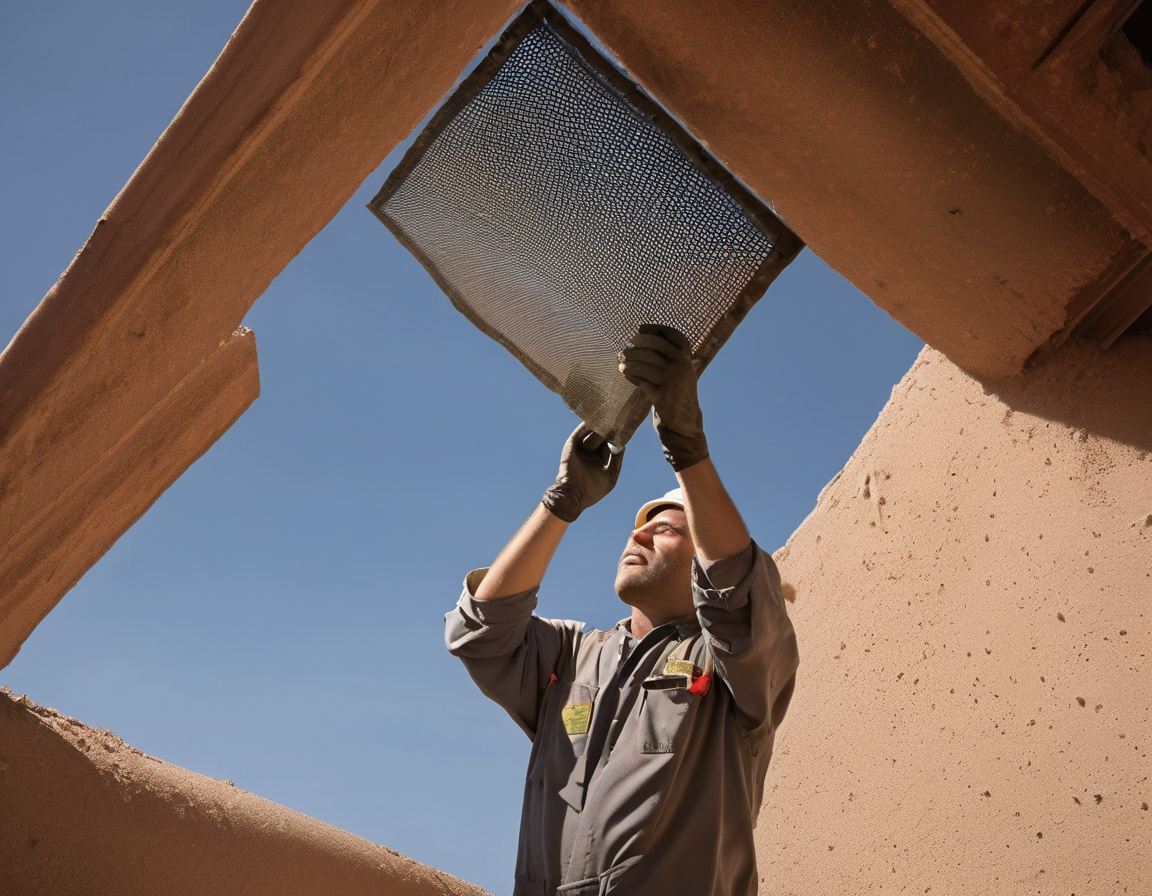
When we service an intake, we’re not just hosing off a screen. Here’s what a thorough inspection and cleaning covers:
- Remove and inspect the intake grille or hood for damage and pest intrusion
- Clear accumulated dust, debris, and biological matter from the duct leading inward
- Check the damper (if present) for proper operation — a stuck-open damper in summer is an efficiency killer
- Inspect the connection point to the air handler for gaps or disconnected sections
- Verify the intake location isn’t pulling from a contaminated zone (near a garage exhaust, gas meter, or pool equipment)
If we find the intake pulling air from right next to the garage — which happens more often than you’d think in Phoenix tract homes — that’s a separate conversation worth having. We go deeper on why ductwork near the garage is a special problem in another post, but the short version is: carbon monoxide doesn’t knock before it enters.
After a Haboob: The Window When Your Home Is Most Vulnerable

Anyone who’s lived in Phoenix, AZ through a summer knows the drill — a wall of dust rolls in off the desert, visibility drops to nothing, and the next morning everything is coated in a fine reddish grit. What most people don’t realize is that during and immediately after a haboob, your HVAC intake can pull enormous volumes of particulate-laden air into your ductwork. That dust doesn’t just sit at the intake. It travels in, coats your coil, settles in your ducts, and gets redistributed through your home every time the system cycles.
Post-storm is exactly when what’s accumulating inside your ductwork deserves a serious look — and when we’re typically fielding calls from Scottsdale, Chandler, and Gilbert homeowners who suddenly notice their allergies are worse than usual. Smoke infiltration through HVAC systems follows the same logic: wildfire smoke is fine enough to bypass cheap filters, and once it’s coated your duct walls, a standard filter change won’t fix it.
| Outdoor Event | Primary Pollutant Entering Home | Recommended Action |
|---|---|---|
| Haboob / Dust Storm | PM10 / PM2.5 desert particulates | Inspect & clean intake + ducts |
| Wildfire Smoke | Fine smoke particles, VOCs | Intake cleaning + filter upgrade |
| High Pollen Days | Pollen, mold spores | Screen cleaning + MERV check |
| Construction Nearby | Silica dust, drywall particles | Intake inspection + duct cleaning |
If you want a broader picture of what your system faces going into summer, our post on getting your air system ready before the pre-summer heat hits walks through the full checklist. Skipping it in Phoenix, AZ is like skipping sunscreen in July — technically optional, practically foolish.
How We’re Different — and Why It Matters for Your Family
We’re not a franchise. We don’t send a different face every time or quote you one price and find “problems” once we’re inside. Pure Air Service is a family-owned operation, and when we show up at your home near Sky Harbor or out in the Ahwatukee Foothills, we treat it the way we’d want someone treating ours. We show you what we find — photos, honest explanation, no upsell pressure. If the intake just needs a good cleaning and new screen, that’s all we’re going to tell you.
Curious how we compare to the national coupon crews? Read our honest take on what the family-owned vs. franchise difference actually means for your home. And if you want to understand what outdoor air quality standards say about residential ventilation, the EPA’s indoor air quality guidance is worth ten minutes of your time.
Ready to find out what your intake has been pulling into your home? Call Pure Air Service at (623) 552-3176 — we serve Phoenix, AZ and the surrounding communities, and we’ll give you a straight answer before we ever pick up a tool. Phoenix, AZ homeowners deserve clean air and a contractor who’ll stand behind the work with their name, not a 1-800 number.
Some content on this site is AI-assisted and may not reflect exact current details — please verify with Pure Air Service at (623) 552-3176. Learn more.