

I’m Eddie, and I’ve been crawling through ductwork and dryer vents across Maricopa County for over 20 years. When a homeowner tells me their laundry smells like a wet dog even after a full dry cycle, I already know the answer before I open the dryer door. The issue almost always lives in the vent — not the machine. Understanding Musty Laundry After Drying Causes isn’t complicated once you know what to look for, and in this post I’m going to walk you through exactly what’s happening inside that duct behind your wall.
The Smell Is a Symptom, Not the Problem
Hot, moist air has to go somewhere when your dryer runs. It should travel through a rigid metal duct and exit cleanly through an exterior wall vent. When that path is restricted — by lint buildup, a crushed duct, or a clogged exterior cap — that humid air stalls inside the vent. Moisture sits. Lint sits in the moisture. Mold and mildew take root. Then, on the next cycle, your dryer blows that contaminated air back across your clothes. You pull out a warm load and wonder why it smells like a basement. That’s why.
The Most Common Musty Laundry After Drying Causes We Find in Phoenix, AZ Homes
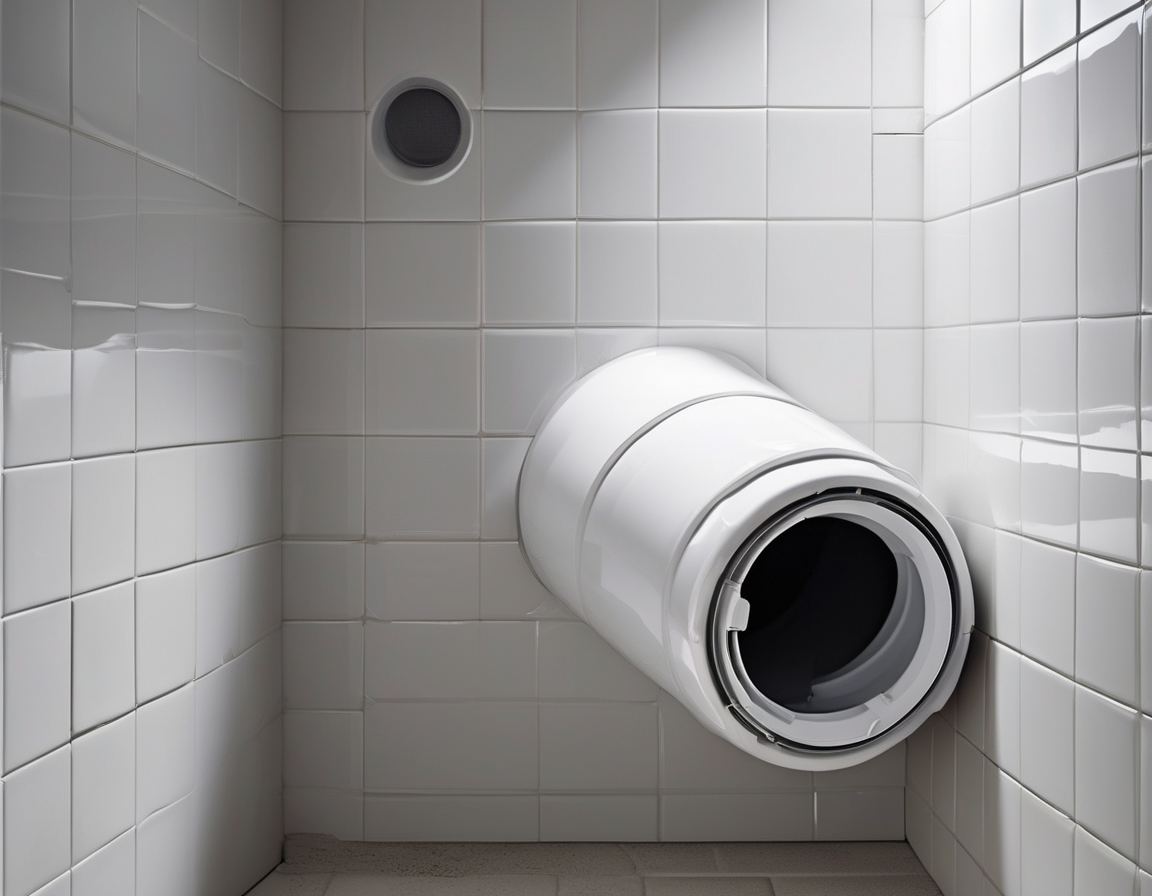
- Lint-packed duct walls: Every load sheds fine fibers. Over three to five years, those fibers coat the interior of the duct and trap moisture from every cycle.
- Dryer vent screen clogging: Some older installs — and a surprising number of newer ones — still have a mesh screen over the exterior cap. Professional dryer vent cleaning should always include removing that screen, because it collects lint faster than anything else in the system and is a documented fire hazard. The U.S. Fire Administration is clear on this point.
- Condensation in dryer vent causes: In Arizona we don’t think much about condensation — but your dryer pushes 120°F air into a duct that may run through an unconditioned garage or attic space. When that hot air hits a cooler section of duct, moisture condenses on the duct walls. That pooled water is where the mildew smell originates.
- Recirculating dryer vent risks: This one is serious. Some older homes — and a few DIY installs I’ve seen in Chandler and Gilbert — have dryer vents that terminate inside a wall cavity, a cabinet, or worse, back into the laundry room itself. That moisture, lint, and heat have nowhere to go. Beyond the smell, you’re looking at a genuine mold risk inside your wall and a fire hazard that keeps getting worse with every load.
- Kinked or crushed duct runs: A sharp bend in the duct behind the dryer creates a low spot where moisture pools and lint accumulates. We wrote a whole post on why a kinked dryer duct is more dangerous than a long one — it’s worth a read if your dryer sits close to the wall.
Musty laundry isn’t a detergent problem. It’s an airflow problem — and airflow problems don’t fix themselves.
Wait — Could It Also Be the Clothes Washer?
Sometimes, yes. Front-load washers are notorious for harboring mildew in the door gasket and drum. But here’s a quick test: if your clothes smell fine when they come out of the washer and only smell musty after drying, the dryer vent is your culprit. If they smell off coming out of both machines, you may have two separate issues. We covered the washer-versus-dryer smell question in detail in our post on why clothes smell fine in the washer but wrong after the dryer.
What Dryer Vent Cleaning Actually Covers
People ask me all the time what dryer vent cleaning is included in a proper service call. Here’s exactly what we do at Pure Air Service — and what you should expect from any reputable tech:
| What’s Included | Why It Matters |
|---|---|
| Full-length rotary brush cleaning of the duct | Removes compacted lint from every section, not just the first few feet |
| Exterior cap inspection and cleaning | Confirms the damper flap opens and closes freely; removes bird nests, debris, and any mesh screens |
| Duct connection check at the dryer | Loose connections leak humid air into wall cavities |
| Airflow verification before and after | You get a measurable result, not just a promise |
| Recirculation check | Confirms the vent actually exits the building — not a wall or cabinet |
If a company’s quote doesn’t reference most of these steps, that’s a flag. We wrote a plain-language guide on how to read a duct cleaning quote and spot the line items that should raise a flag — worth bookmarking before you call anyone.
When Cleaning Isn’t Enough
Sometimes the duct itself is the problem. Foil accordion flex duct — the cheap, ribbed kind — collects lint in every ridge and can’t be properly cleaned no matter how good the tech is. If your dryer vent is made of that material, or if it’s been crushed behind a wall at some point, cleaning is just a temporary fix. We’ve replaced dryer ducts in homes across Scottsdale, Phoenix, and Paradise Valley where the homeowner had paid for cleaning twice before and still had the same musty smell two months later. The real answer was a duct that needed to go. Our post on when it’s time to replace your dryer duct entirely walks through exactly how to tell the difference.
According to the U.S. Fire Administration, failure to clean dryer vents is the leading cause of dryer fires in the U.S. — over 2,900 per year. A musty smell is an early warning. A dryer that takes two full cycles to dry one load is a later warning. By the time you smell something burning, you’re already behind.
We serve homeowners throughout Paradise Valley, Scottsdale, Phoenix, Chandler, and Gilbert — and we show up on time, explain exactly what we found, and don’t upsell you on things you don’t need. That’s not a marketing line; it’s just how we were raised.
If your clothes are coming out of the dryer smelling musty, don’t rewash the same load again. Call Pure Air Service at (623) 552-3176 and let’s sort it out the right way — probably before you finish describing the problem.
Some content on this site is AI-assisted and may not reflect exact current details — please verify with Pure Air Service at (623) 552-3176. Learn more.