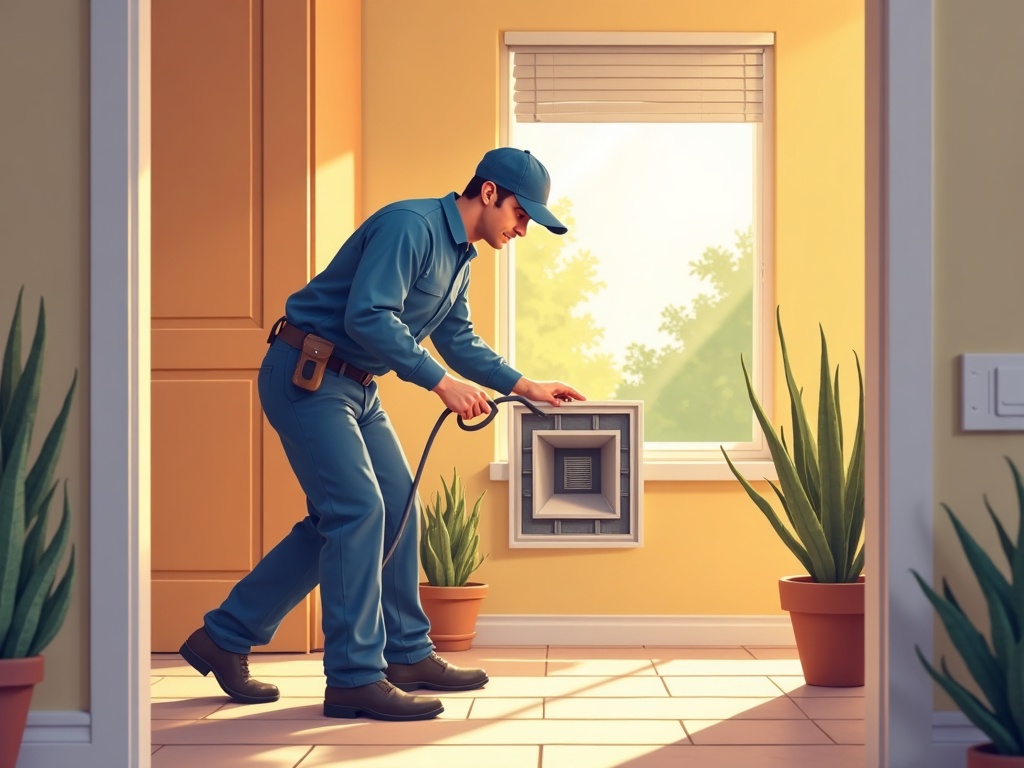
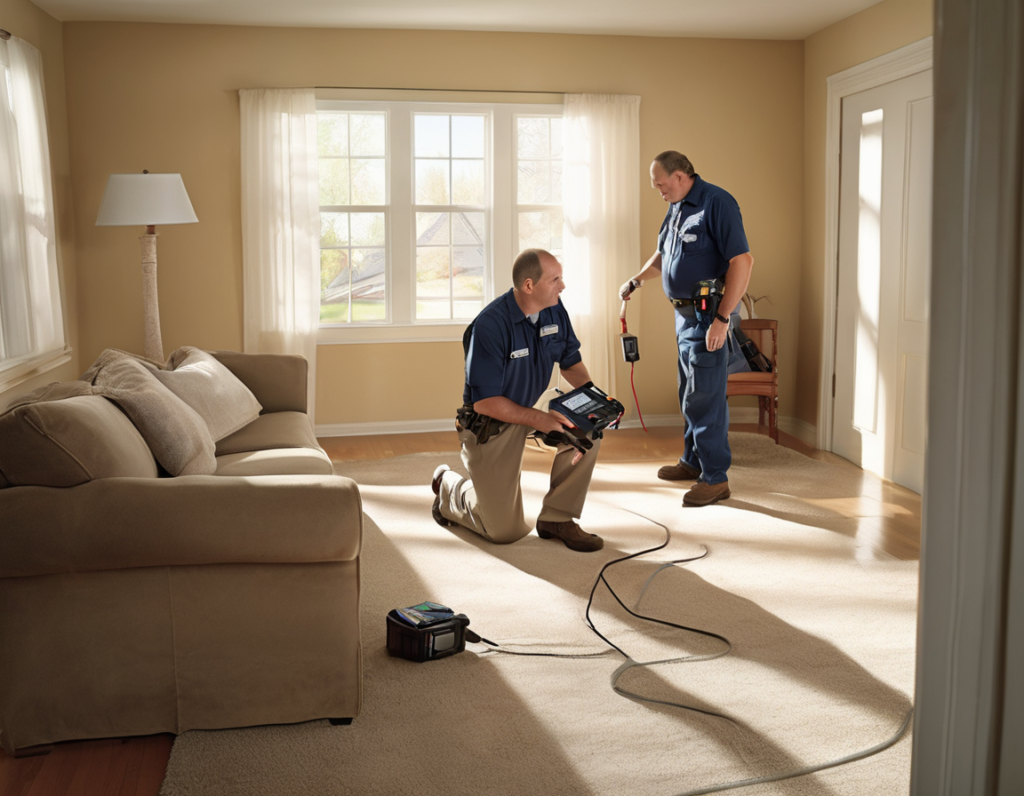
I’m Eddie, and I’ve been doing this work for over two decades. In all that time, the number-one thing homeowners say when I show them the footage from a Camera Inspection Air Ducts is some version of: “I had no idea it looked like that in there.” Honestly? Neither did I — the first few hundred times. Now I just expect the unexpected. If you’ve lived in your Phoenix, AZ home for three or more years and never looked inside your ductwork, you’re flying blind. Let us show you what’s actually in there.
Why “Out of Sight” Means “Out of Control”
Most homeowners in Phoenix, AZ change their filters, maybe vacuum the registers, and call it done. That’s reasonable — nobody expects to gut a wall to check on their ducts. But your HVAC system is circulating air through those channels every single day, and in a desert climate like AZ, the stuff that accumulates is genuinely surprising. Arizona’s high desert dust is relentless, and if you want to understand what it does between service visits, this breakdown of what Arizona dust does to your HVAC system lays it out clearly.
The camera doesn’t lie. And what it shows us, consistently, is a list of problems that no amount of dusting or vacuuming from the outside would ever fix.
What We Actually Find During a Camera Inspection Air Ducts
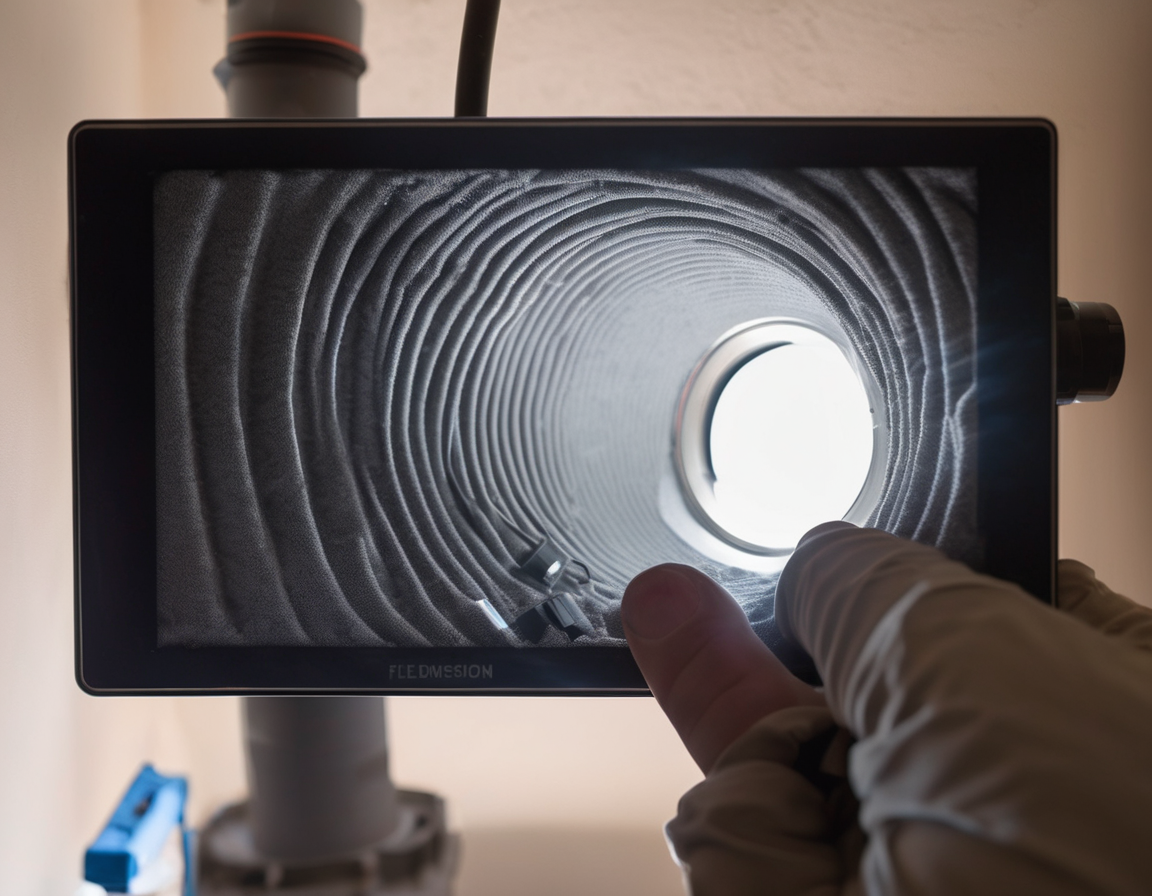
Here’s what shows up on that screen more often than most people expect. I’m not listing these to scare you — I’m listing them because they’re real, and I’ve seen every single one in homes right here in Phoenix, AZ, from neighborhoods near Camelback Mountain to subdivisions off the Santan Freeway in Gilbert.
- Mold colonies on flex duct walls — common in homes where condensation builds up, especially if insulation is compromised
- Dead rodents and nesting material — mice love the warmth; they find gaps in duct connections you’d never spot from a register
- Collapsed or kinked flex duct sections — this is especially common in tract homes built across the Valley in the 1990s and early 2000s; builder-grade ductwork was rarely installed with longevity in mind
- Construction debris — drywall dust, insulation fibers, sawdust — even in homes that were “cleaned” after a renovation
- Heavy pet dander and hair matted against duct walls — if you have dogs or cats, the camera will confirm your suspicions
- Disconnected duct segments — yes, sometimes a full section is just… no longer connected to anything, blowing conditioned air into your attic
“The scope doesn’t just show us dirt — it shows us why your electric bill is high, why your kids are sneezing, and why one room never cools down no matter what you do.”
— Eddie, Pure Air Service
That last point about disconnected ducts is worth reading twice. We’ve found it in Paradise Valley homes, in Chandler homes, in Scottsdale properties that were beautifully maintained on the outside. The homeowner had no idea their HVAC was essentially air-conditioning their attic. If a register barely blows any air, there’s a reason — and it’s often something the camera reveals in under two minutes.
Scope Inspection vs. Guessing: A Simple Comparison

| Without Camera Inspection | With Scope Inspection Ductwork |
|---|---|
| Assume ducts are “probably fine” | See exactly what’s inside every run |
| Replace filters and hope for the best | Identify the actual source of poor air quality |
| Wonder why energy bills keep climbing | Find collapsed or disconnected sections costing you money |
| Treat allergy symptoms with medication | Address the root cause in your own home |
I’m not saying a duct video inspection solves everything. But it’s the only honest starting point. Anything else is guesswork, and guesswork in someone’s home — especially with kids or elderly family members breathing that air — isn’t something I’m willing to do. It’s also why we’ve written about what the inside of ductwork actually looks like after years of use, so you can see it for yourself before you ever book a visit.
The EPA notes that indoor air can be two to five times more polluted than outdoor air — and in tightly sealed Arizona homes running AC eight months a year, that number only gets worse without proper duct maintenance.
What Happens After the Camera Goes In
We show you the footage. Not a summary, not a verbal description — we actually walk you through what the camera found. We’re not a franchise crew sending a different tech every time with a tablet full of upsells. We’re a family business, and the person who runs that scope is the same person who explains the results and does the cleaning. If something doesn’t need to be done, we’ll tell you that too. You can also read about how the scope camera reveals what eyes and hands never could to understand why this step isn’t optional for us — it’s how we work every single time.
After twenty-plus years of crawling through duct systems across Maricopa County, I can tell you: the camera inspection isn’t an add-on. It’s the whole point. Because until you know what’s in there, you’re just guessing — and your family deserves better than that.
Some content on this site is AI-assisted and may not reflect exact current details — please verify with Pure Air Service at (623) 552-3176. Learn more.