

I’m Eddie, and I’ve been crawling through ductwork in the Phoenix, AZ area for over twenty years. If your electric bill has been climbing every summer and you can’t figure out why, I’d bet good money your ducts are at least part of the answer. Duct Leakage and Energy Bills is one of the most underestimated problems I see in homes around Phoenix — and it costs families real money, month after month, without a single warning light on the thermostat.
What’s Actually Happening Inside Your Ducts
Here in Phoenix, AZ, dust doesn’t take a day off. Between Camelback Mountain’s desert winds and the construction dust that never fully settles along the 51 corridor, your duct system is pulling in grit constantly. After three or four years, the interior walls of those ducts look nothing like they did when the home was built. We’ve documented exactly what accumulates — and if you’ve never seen it, our article on what the inside of your ductwork actually looks like after years of use will answer that question fast.
When ducts are partially blocked or leaking, your HVAC unit doesn’t know to quit. It just keeps running, pushing air against resistance, trying to hit the temperature you set. That’s the energy drain — not a dramatic breakdown, just a slow, expensive grind every single day. And if you’ve noticed certain registers barely blowing air while others blast full force, that imbalance is a classic sign of restriction.
The Real Energy Cost of Duct Leakage and Energy Bills
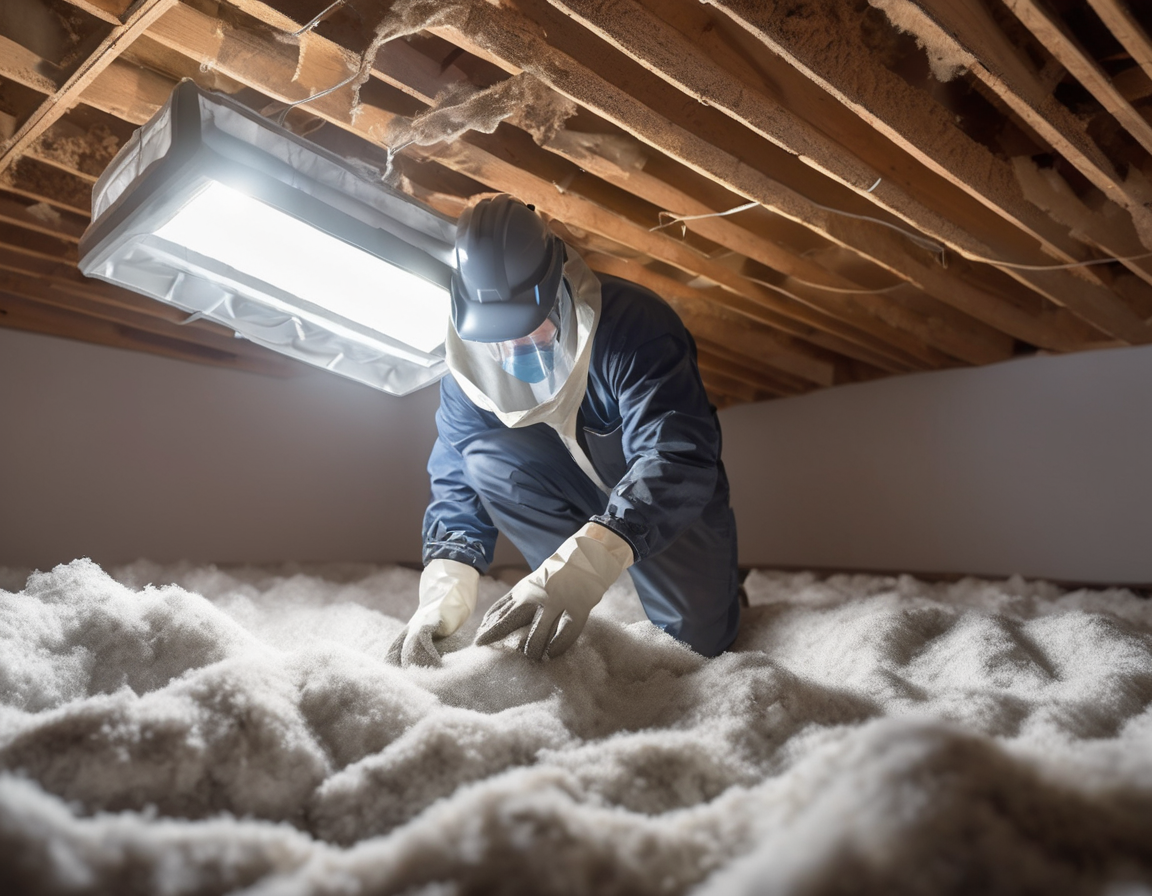
The U.S. Department of Energy estimates that leaky or dirty ductwork can waste 20–30% of the air your HVAC produces before it ever reaches a room. In an Arizona summer, that’s not an abstract statistic — that’s your APS bill in July. Think about that for a second: you’re paying to cool air that’s either escaping into your attic or fighting through a clogged passageway. Neither does your family any good.
“A restricted duct system doesn’t just waste energy — it shortens the life of your HVAC equipment. The motor works harder every cycle, and motors that work harder fail sooner.”
— Eddie, Pure Air Service
If you’re not sure whether your attic ducts are leaking, you don’t have to go up there yourself. We walk through how to tell if your attic ducts are leaking without climbing into the attic — real signs you can spot from inside your home.
Your Dryer Vent Is Burning Energy Too

People focus on the HVAC, and rightfully so — but dryer energy consumption from a clogged vent is its own problem. A lint-restricted dryer vent means wet clothes don’t dry in one cycle. So the dryer runs twice. That doubles the electricity or gas for a single load. Multiply that across a full week of laundry and the number adds up fast. If your dryer takes two full cycles to dry one load, we’ve written about exactly what’s going on — and it’s almost never the dryer’s fault.
| System | When Clogged / Leaking | Estimated Energy Waste |
|---|---|---|
| Air Ducts | Buildup + leaks force longer HVAC cycles | 20–30% of conditioned air lost |
| Dryer Vent | Lint blockage extends drying time | Up to 2× electricity per load |
| Both Together | Compounded strain on entire home system | Significant monthly bill impact |
What Changes After a Proper Cleaning
Homeowners in Scottsdale, Chandler, and Gilbert often tell us the same thing after we finish: the house cools faster, the system kicks on less often, and within a billing cycle or two they notice lower utility bills after duct cleaning. That’s not a coincidence — it’s physics. Less resistance means less runtime. Less runtime means less electricity. We’re not promising magic numbers, but we are telling you the math works in your favor.
Beyond the bill, an HVAC running better after duct cleaning is simply a healthier system. Airflow improves, temperature balance across rooms evens out, and the equipment isn’t straining the way it was. If you’ve been wondering whether any of this is actually worth it, our honest take is here: is air duct cleaning actually worth it?
- Shorter HVAC run cycles after cleaning
- More even temperatures room to room
- Dryer finishing loads in one cycle again
- Reduced dust resettling on surfaces
- Less strain on motors and components
We’re a small family operation serving Phoenix, AZ and the surrounding Phoenix, AZ area. We’re not a franchise crew that sends a different tech every time and rushes out in forty-five minutes. When we show up, we explain what we find, show you the before-and-after, and don’t sell you anything you don’t need. That’s just how we work.
If the desert dust specific to AZ is something you want to understand better before calling anyone, read up on what Arizona’s high desert dust levels do to your HVAC between service visits — it puts the problem in clear perspective.
Ready to stop paying for air that never reaches your family? Call Pure Air Service at (623) 552-3176 and let’s take a look at what’s actually going on in your system. No pressure, no upsell, just straight answers.
Some content on this site is AI-assisted and may not reflect exact current details — please verify with Pure Air Service at (623) 552-3176. Learn more.