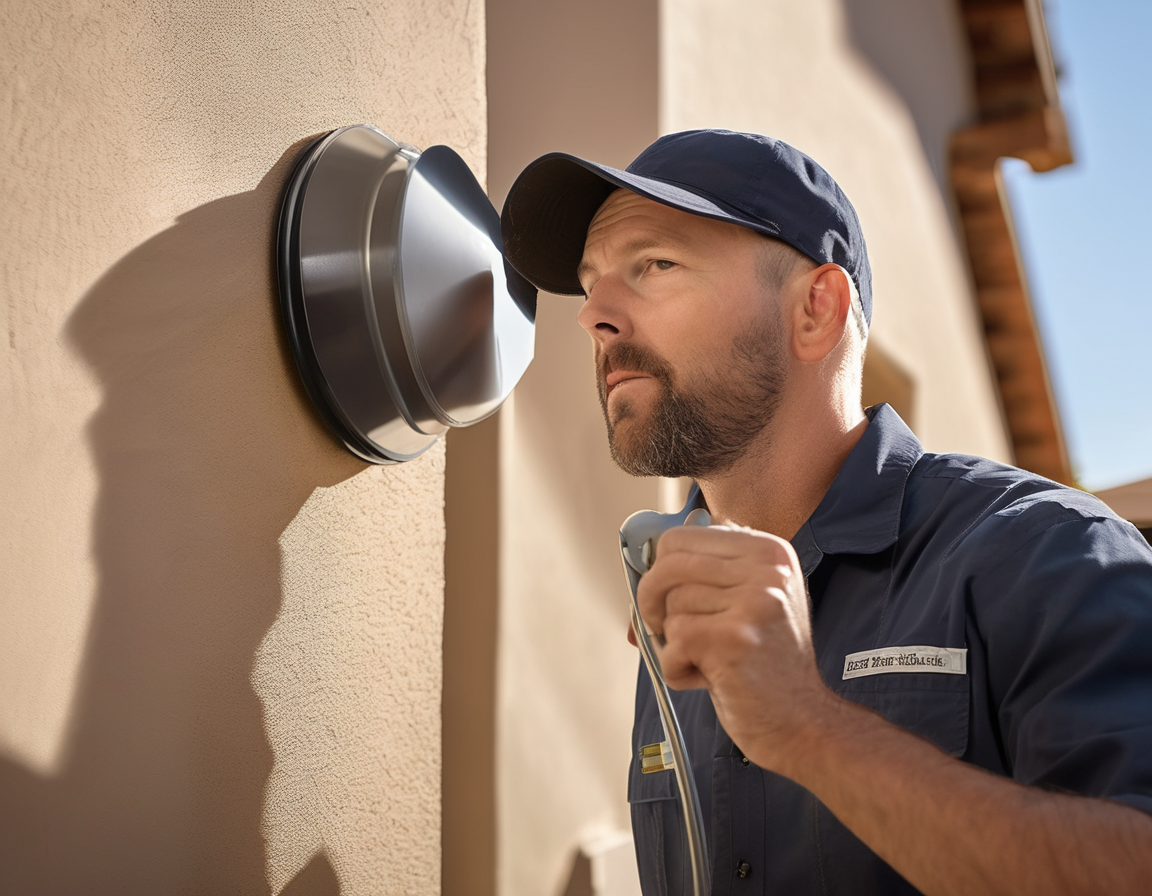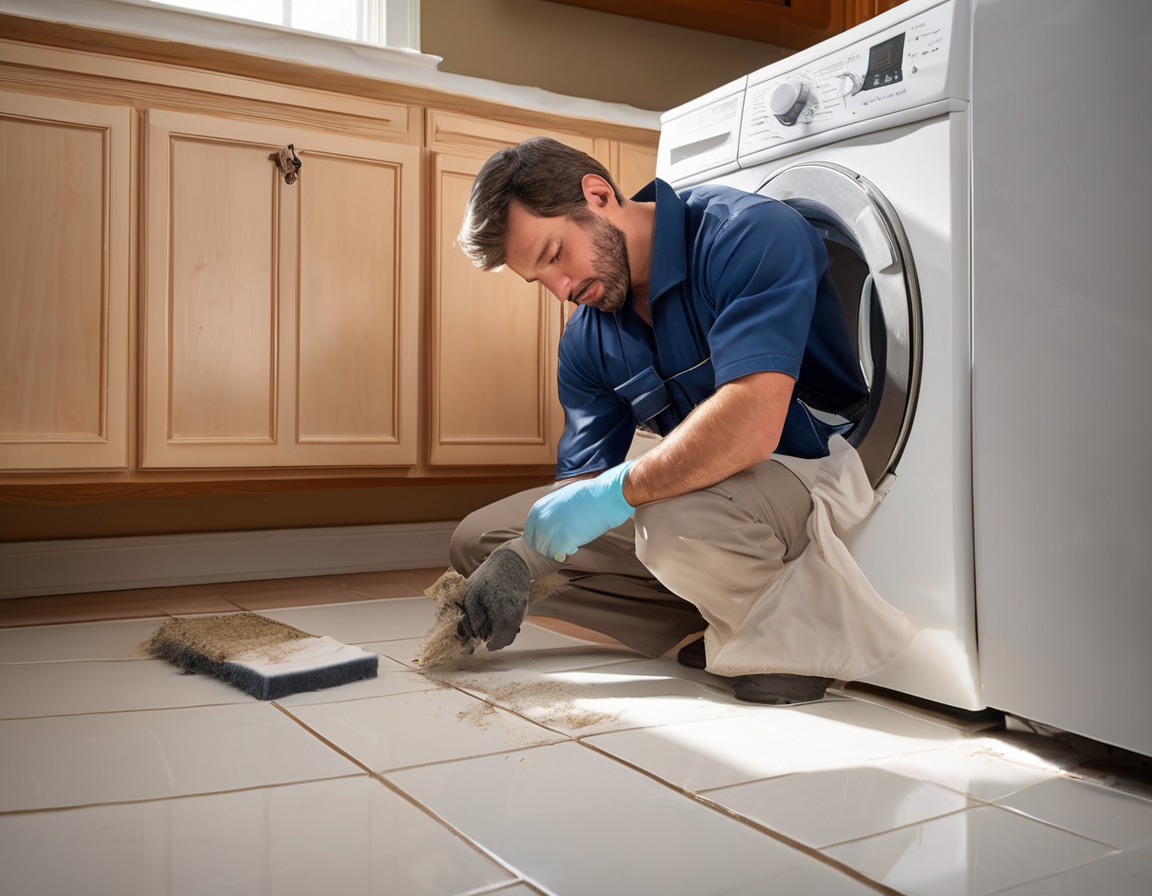
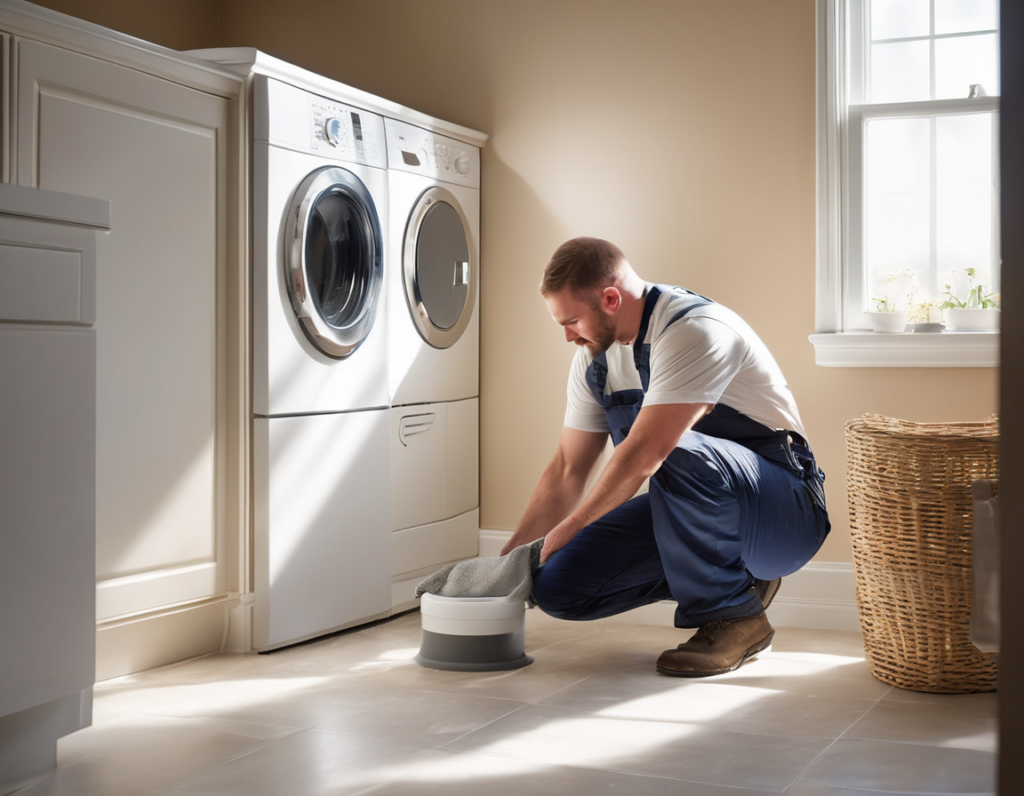
I’m Eddie, and after two decades crawling through ductwork and dryer vents across Phoenix, AZ and AZ, I can tell you: a Dryer Runs Hot to the Touch is not a “wait and see” situation. It’s your house trying to get your attention. Let’s talk about what’s actually going on — and what you should do about it before it becomes a real problem.
The Three Most Common Reasons Your Dryer Runs Too Hot
When homeowners near Camelback Mountain or over in Ahwatukee call us saying their dryer is hot to the touch, it almost always comes down to one of these three culprits. None of them fix themselves.
| Cause | What You’ll Notice | Risk Level |
|---|---|---|
| Clogged dryer vent | Hot cabinet, long dry times, musty smell | 🔴 High — fire hazard |
| Cycling thermostat failure | Dryer running hot but clothes still damp, or scorched fabrics | 🟠 Medium-High |
| Blocked exhaust path (kinked duct) | Heat trapped inside drum, slow drying | 🔴 High — carbon monoxide risk on gas units |
The most common one — by a wide margin — is a clogged vent. In Phoenix, AZ especially, where homes along the 51 corridor and near North Mountain are often pushing dryer exhaust through longer duct runs, lint builds up faster than most people expect. A dryer exhaust temperature check is always our first move. Normal exhaust air should be warm, not scorching. If it is, the airflow is compromised.
A kinked dryer duct is actually more dangerous than a long one — and it’s incredibly common in older Phoenix-area homes where the duct was routed around an obstacle and left there. Heat has nowhere to go. The dryer shell gets hot. That’s the machine telling you it’s working against itself.
Dryer Cycling Thermostat Failure and Lint: The Quiet Double Threat
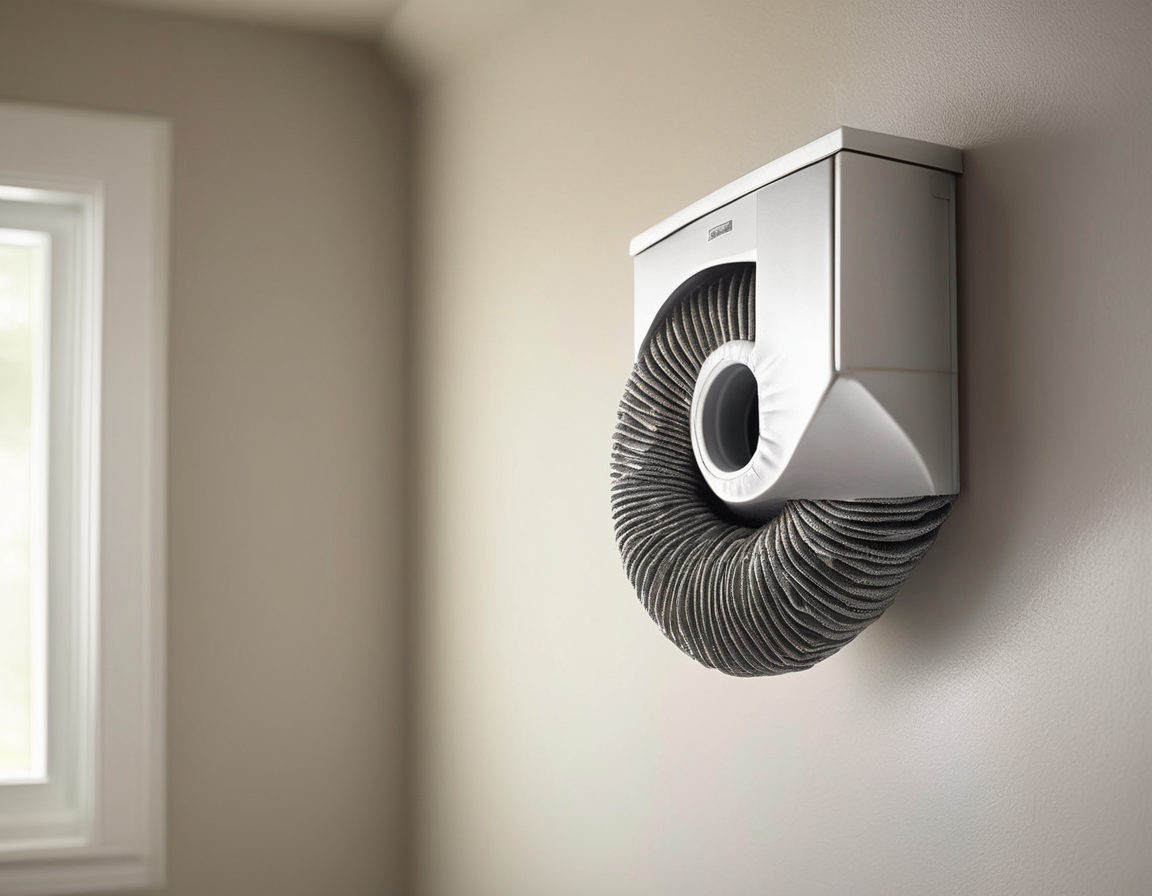
Here’s the part most people don’t know: dryer cycling thermostat failure and lint buildup often happen together. The thermostat regulates heat cycles — when it fails, the dryer either runs too hot continuously or never gets hot enough to dry properly. Meanwhile, lint restriction starves the airflow the thermostat depends on to do its job. One problem feeds the other.
If you’re finding that your dryer is running hot but clothes are still damp, that’s a classic sign. The heat is there — it’s just not moving through the drum correctly because airflow is restricted. The moisture can’t escape. You get hot, damp clothes and a machine that’s working itself to death trying to compensate.
“A dryer that runs hot and still leaves clothes damp isn’t broken — it’s suffocating. Clear the airflow first, then reassess.”
— Eddie, Pure Air Service
What a Dryer Runs Hot to the Touch Means for Fire Risk — Especially Here

The U.S. Fire Administration reports that dryers cause roughly 2,900 home fires per year, and the leading cause is — you guessed it — failure to clean the vent. In Phoenix, AZ, where summers push indoor air systems hard and laundry runs constantly to keep up with active families, dryer vent maintenance gets pushed down the to-do list. I get it. But a hot dryer cabinet is not the time to procrastinate.
Here’s what to look for right now:
- The outside of the dryer cabinet is uncomfortably hot after a normal cycle
- Clothes take more than one cycle to dry fully
- You can smell something faintly burnt or musty from the machine — if you notice a smoky smell in your living room with no fire burning, don’t ignore it
- The exhaust flap outside the home barely moves when the dryer is running
- It’s been more than a year since anyone cleaned the vent line — not just the lint screen
On that last point: cleaning the lint screen helps, but it’s not the whole job. If you want to understand how often to clean your dryer lint screen and whether you’re doing it correctly, we’ve covered that in detail — but the vent line itself is a separate conversation entirely.
Also worth reading: if your dryer vent installation doesn’t meet current code — something we see constantly in Gilbert and Chandler homes from the early 2000s — a cleaning alone won’t solve the underlying problem. The duct may need to be rerouted or replaced. We’ll tell you straight if that’s the case. No upsell, just the truth.
What We Do When We Show Up
We’re not a franchise. There’s no 1-800 number, no different tech every visit, no clipboard left at your door. When Pure Air Service comes to your home — whether you’re near Biltmore, in Arcadia, or up in the North Phoenix foothills — we pull the dryer out, inspect the duct from end to end, check the exhaust outlet outside, and give you a real picture of what’s going on. We’ll do a dryer exhaust temperature check before and after the clean so you can see the difference. Then we explain everything we found, in plain language, before we charge you a dime more than agreed.
If the thermostat has failed, we’ll tell you — and point you toward an appliance tech for that part. We’re dryer vent and air system specialists. We stay in our lane and do it right.
A hot dryer is a warning, not a quirk. Call us before it becomes a news story on your block.
Some content on this site is AI-assisted and may not reflect exact current details — please verify with Pure Air Service at (623) 552-3176. Learn more.