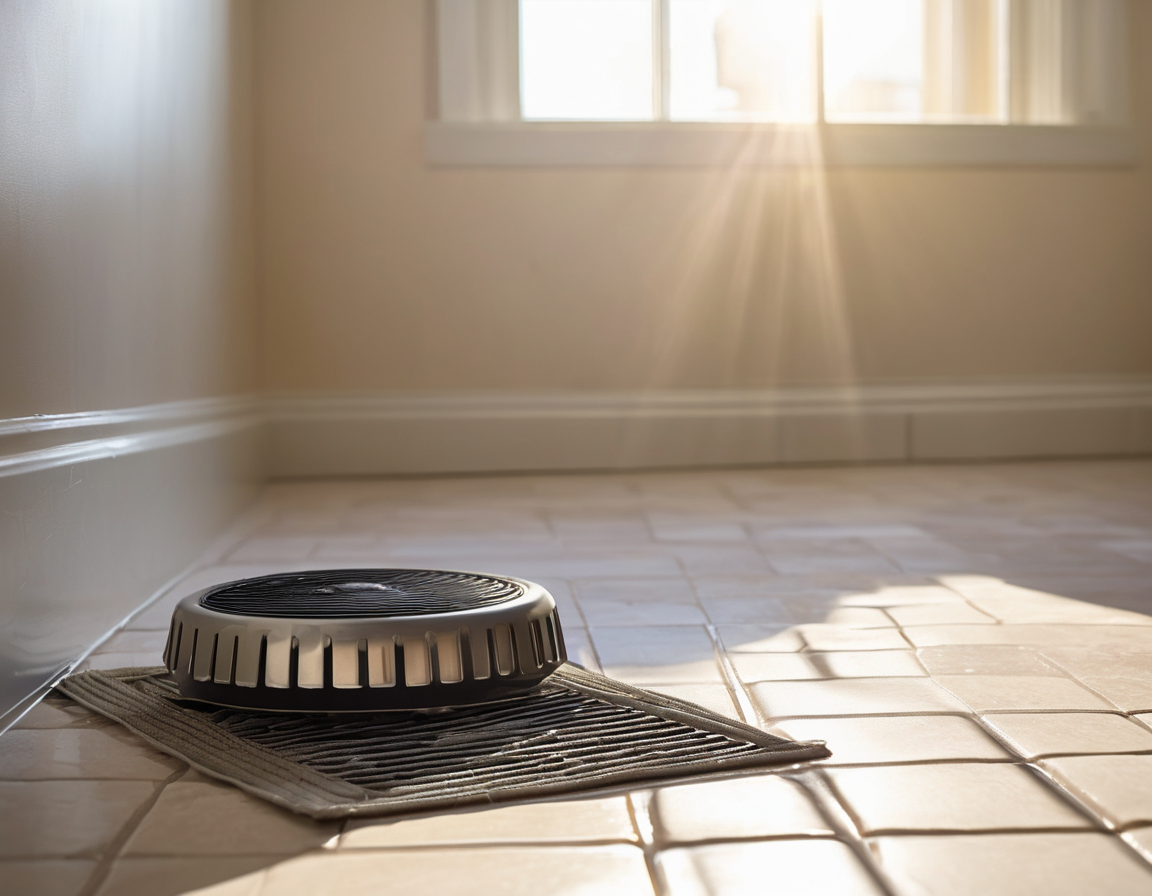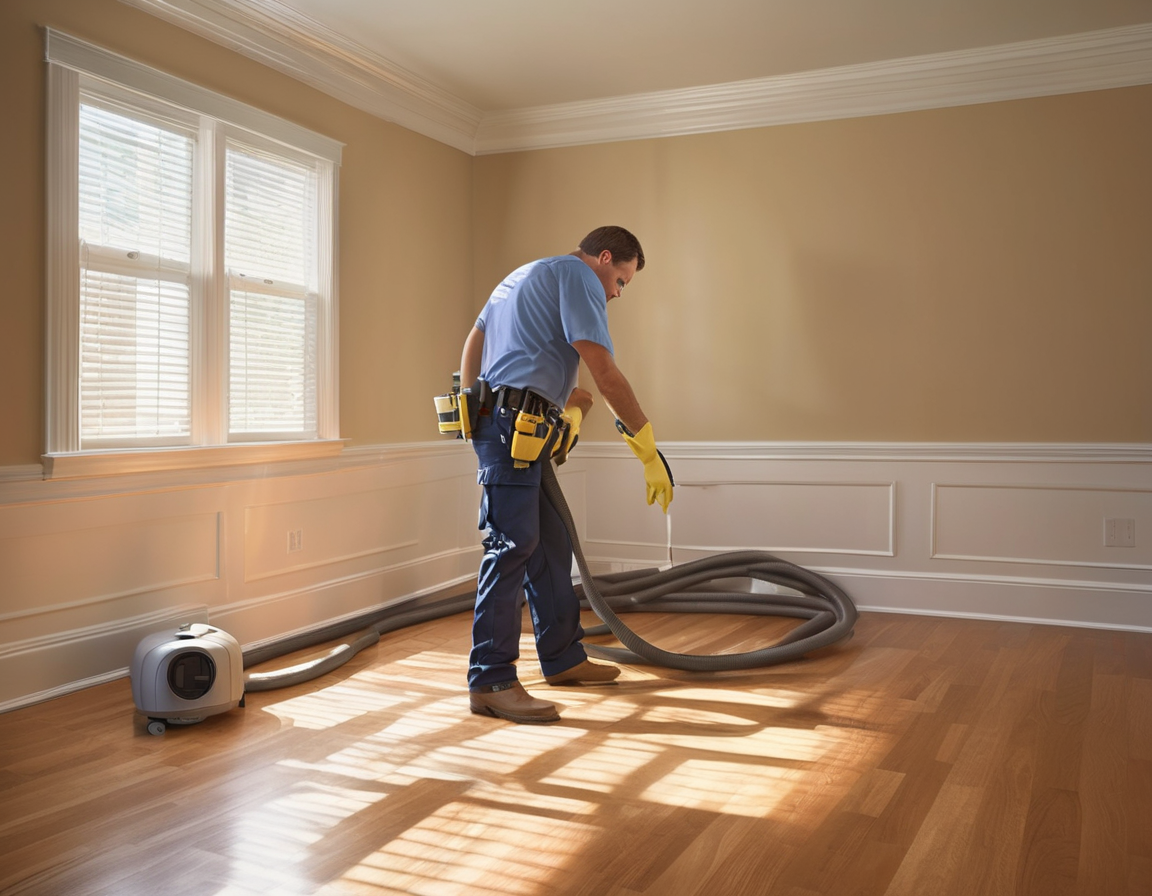
A professional HVAC technician cleaning a residential air duct register, illustrating how skin irritation indoor air causes are traced to duct debris buildup in Phoenix homes.

Skin Irritation With No Obvious Cause: What Your Indoor Air Quality Has to Do With It

I’m Eddie, and I’ve been crawling through ductwork in Phoenix homes for over twenty years. People call me about dust, smells, and electric bills — but every so often someone says, “My skin has been so dry and irritated lately, and I can’t figure out why.” They’ve switched soaps, bought new detergent, seen a dermatologist. Nobody mentioned the air. That’s where I come in. skin irritation indoor air causes is one of the most under-discussed health topics I encounter, and in the dry heat of Phoenix, AZ, it hits harder than most people expect.

Why Your Home’s Air Can Irritate Your Skin

Arizona’s climate is already brutal on skin. But when your HVAC system is recirculating dust, mold spores, and chemical off-gassing through every room, you’re not just breathing that stuff — it’s landing on your skin all day, every day. Here in Phoenix, where we seal our homes tight against 115-degree summers, there’s very little fresh air coming in to dilute it.

Two big invisible culprits are worth knowing about:

  • VOC levels in home air — Volatile organic compounds off-gas from flooring, paint, cabinetry, and cleaning products. They accumulate fast in a tightly sealed Arizona home and are a known skin and respiratory irritant. The EPA notes indoor VOC levels can run two to five times higher than outdoor levels — sometimes more.
  • Particulate matter in your ducts — Dust mites, pet dander, mold fragments, and construction debris (especially in older Scottsdale and Chandler tract homes) get blown across every room every time the system kicks on. Your skin is a direct target.

If you’ve ever wondered what’s actually building up inside your ducts after a few Arizona summers, the answer is usually more than people want to know.

The Immune System and Indoor Air Quality Connection

A professional HVAC technician cleaning a residential air duct register, illustrating how skin irritation indoor air causes are traced to duct debris buildup in Phoenix homes.

Here’s the part most people don’t connect: the immune system and indoor air quality are tightly linked. When your body is constantly reacting to airborne irritants — even low-level ones — it stays in a low-grade inflammatory state. That shows up as skin flare-ups, persistent fatigue, or allergies that seem to have no season. Kids and elderly family members feel it first because their systems are either still developing or less resilient.

“Your skin is your largest organ. If the air touching it 24 hours a day is loaded with irritants, no moisturizer on earth is going to fully fix the problem.”

— Eddie, Pure Air Service

Near Arcadia or the Biltmore corridor in Phoenix, I see a lot of older homes with original ductwork that’s never been seriously cleaned. The buildup in those systems is significant — and it’s not just dust. It’s biological material cycling through the living space constantly.

How to Reduce Indoor Allergens Without Chemicals

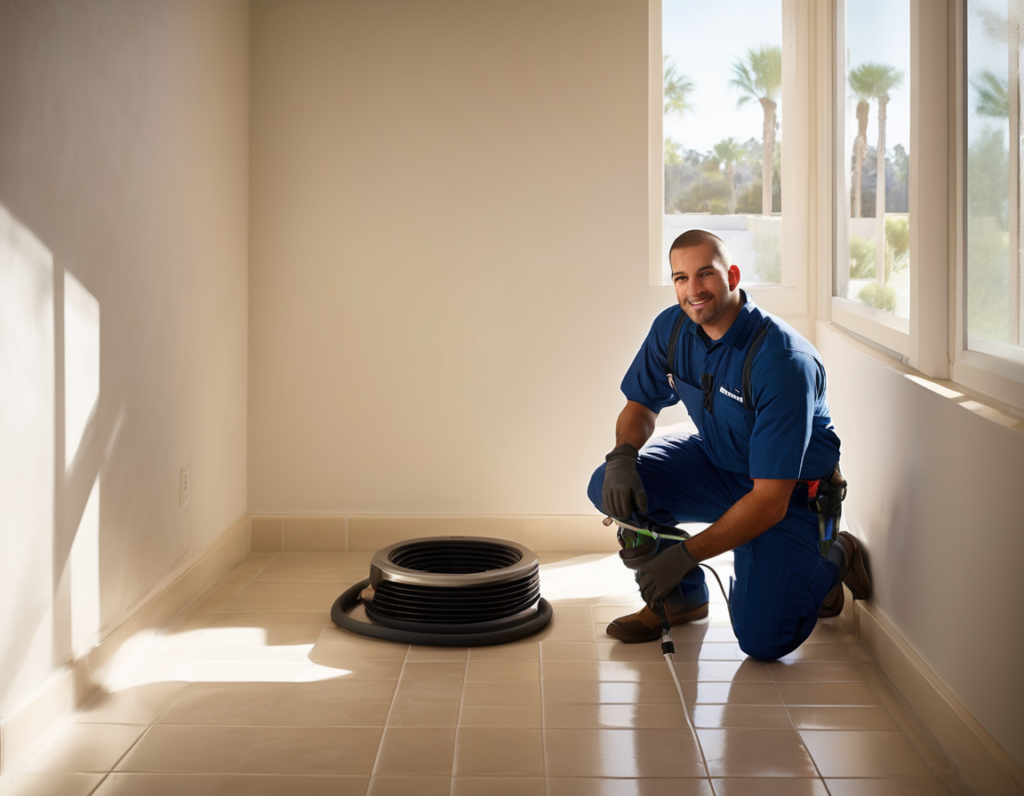
A professional HVAC technician cleaning a residential air duct register, illustrating how skin irritation indoor air causes are traced to duct debris buildup in Phoenix homes.

Good news: you don’t need to spray anything. The most effective ways to reduce indoor allergens without chemicals come down to the HVAC system itself.

ActionWhat It AddressesDIY or Pro?
Upgrade to MERV-11 or higher filterCatches finer particulates, dander, mold sporesDIY
Professional duct cleaningRemoves years of built-up debris at the sourcePro
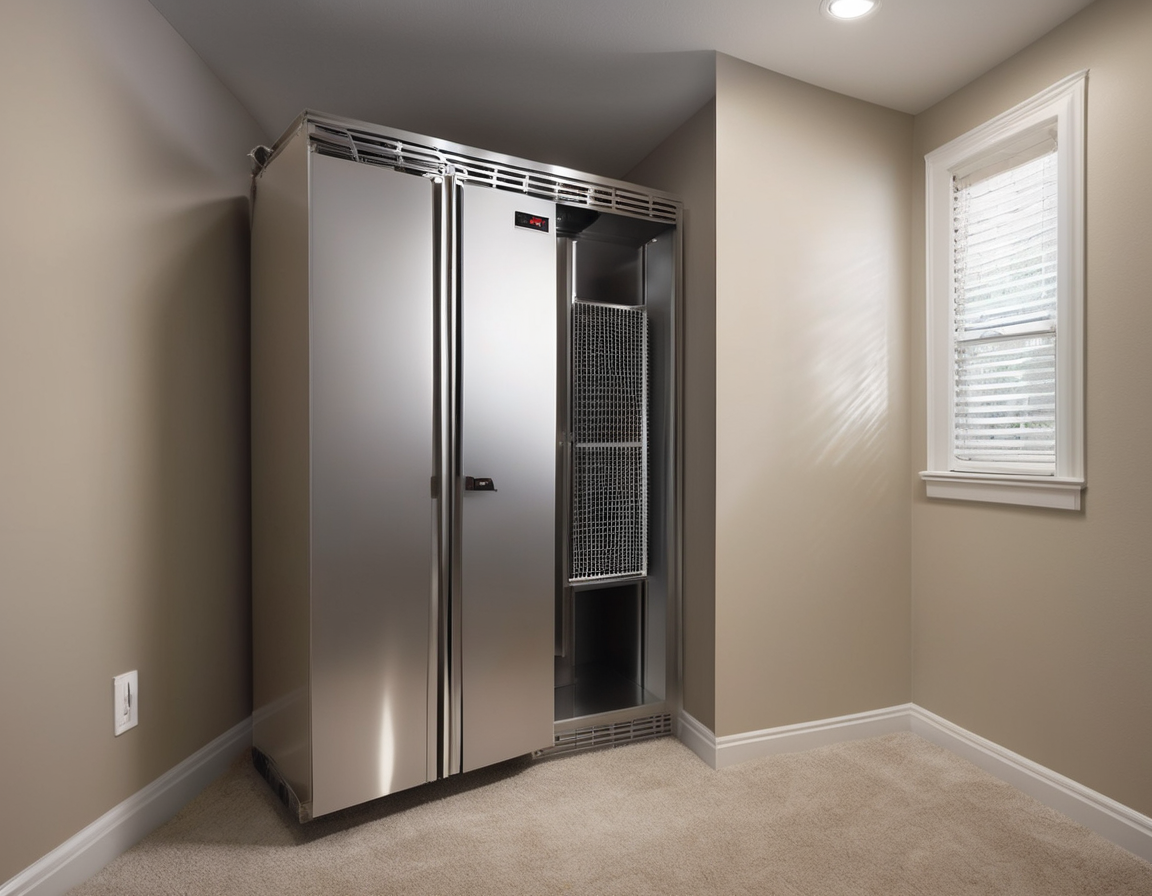
Air handler cabinet cleaningEliminates mold growth near the coilPro
Seal leaky duct connectionsStops attic dust from entering the airstreamPro
Improve ventilation habitsDilutes VOCs and stale recirculated airDIY

If your registers are barely pushing air, that’s often a sign of restriction or leakage upstream — and it means whatever’s in those ducts is sitting longer. Worth checking out why your register barely blows air and what that usually points to.

Also worth a read: your HVAC fresh air intake could be pulling outdoor pollution straight into your home — especially relevant during Phoenix’s dust storm season when particulate counts spike outside.

And if your house still seems dusty days after cleaning, that’s not your housekeeping. That’s your duct system redistributing the problem every time the fan runs.

When to Call a Local Pro (Not a Franchise)

I’ll be straight with you: a lot of what gets marketed as “air duct cleaning” in the Phoenix area is a truck, a leaf blower, and a coupon. The tech who shows up has never met you before and won’t be back. That’s not how we work at Pure Air Service. We’re local, we’re thorough, and we actually show you what we found before and after — not just hand you a receipt.

If someone in your home has worsening skin issues, persistent sneezing, or unexplained respiratory flare-ups, and you can’t remember the last time the ducts were looked at, that’s the call to make. We serve Phoenix, AZ and the surrounding Phoenix area, and we’re not going anywhere — our name is on the truck and on this work.

Some content on this site is AI-assisted and may not reflect exact current details — please verify with Pure Air Service at (623) 552-3176. Learn more.