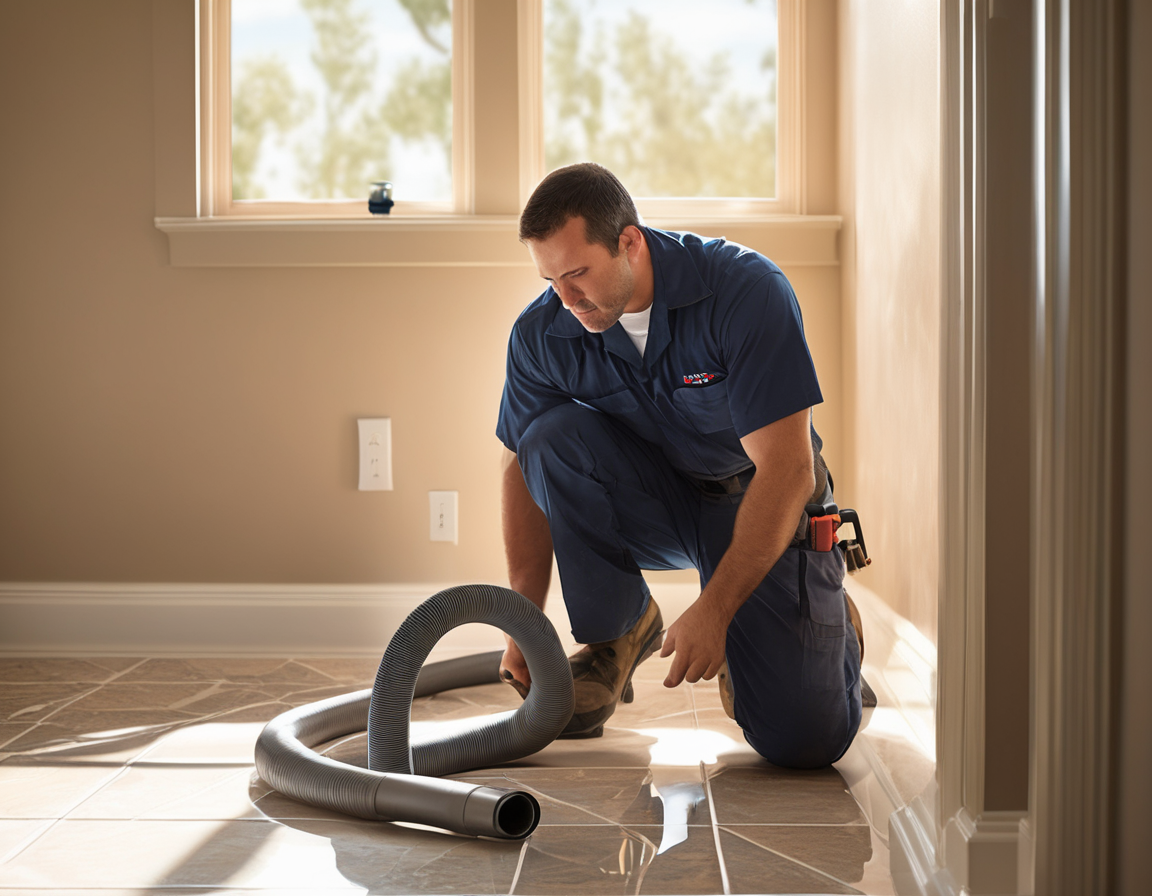
I’m Eddie, and I’ve been crawling through ductwork in the Valley for over 20 years. If there’s one thing I can tell you without blinking, it’s this: the High Desert Dust Levels Home here is not your average city dirt problem. It is a different beast entirely — and most HVAC systems in Phoenix, Scottsdale, Paradise Valley, Chandler, and Gilbert are quietly losing the fight against it between every service visit. Phoenix, AZ homeowners, I’m talking directly to you here.
The Desert Doesn’t Pause Between Your Service Appointments
Phoenix sits on caliche-rich desert soil — that pale, chalky, cement-like ground that pulverizes into ultra-fine particles the moment the wind moves. Unlike coastal humidity that weighs dust down, our dry air keeps those particles suspended. They drift in through every gap, every window seal, every time a door opens near the 101 or along Shea Boulevard. And your HVAC system? It’s the only thing in the house actively pulling air through itself all day, every day.
Between professional cleanings, here’s what’s piling up inside your system right now:
- Caliche dust — angular, abrasive micro-particles that coat coil fins and duct walls like fine sandpaper
- Haboob aftermath — a single dust storm rolling in from the west valley can deposit more particulate inside your home in two hours than three months of normal daily living
- PM2.5 and PM10 particles — small enough to bypass cheap filters and lodge deep in ductwork bends and the air handler cabinet
- Pollen from Scottsdale’s landscaped corridors — desert broom, olive trees, and mulberry mix with the mineral dust into a seasonal allergy cocktail
If your kids have been sneezing constantly or your partner’s asthma has flared up, this combination is a very likely contributor. And what builds up inside ducts after just 3 years in an Arizona home would genuinely surprise most people.
What High Desert Dust Levels Home Does to Your System — and Your Bills
Here’s where it gets expensive. When caliche dust and desert particulate coat your evaporator coil, airflow drops. Your system works harder to hit the thermostat setpoint. In an Phoenix, AZ summer, that means the compressor is running longer cycles — and APS notices before you do.
| What Gets Dirty | The Consequence |
|---|---|
| Evaporator coil coated in caliche dust | Reduced heat transfer, longer run cycles, higher bills |
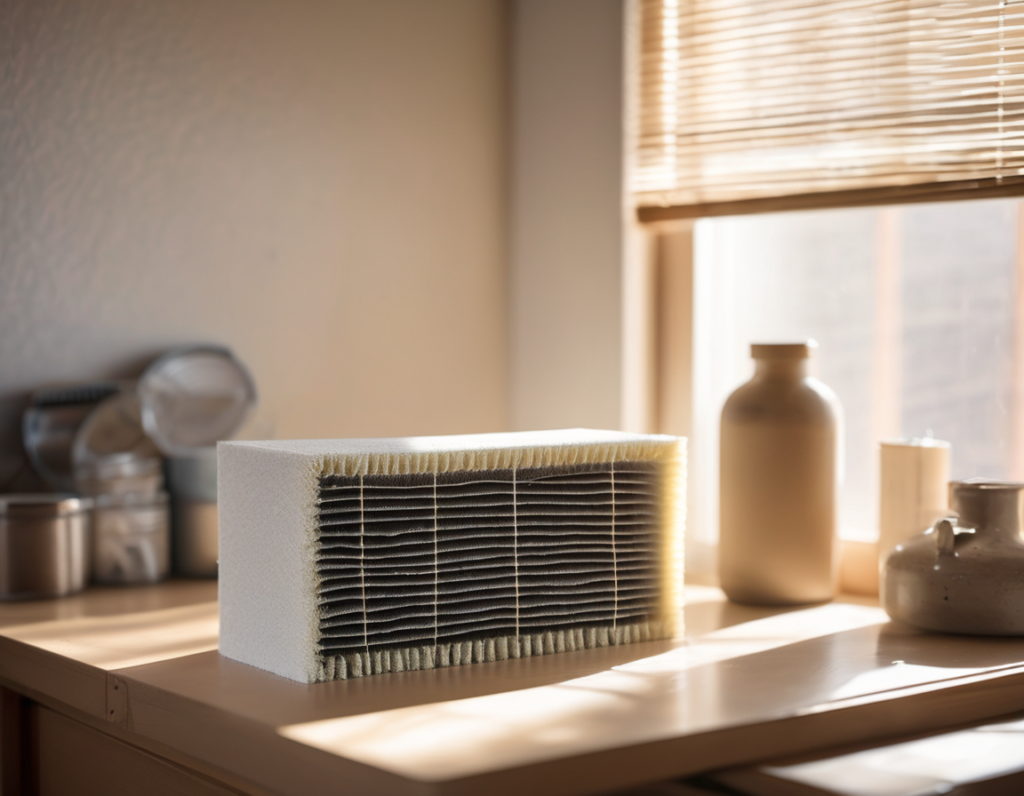
| Filter clogged with haboob particulate | Restricted airflow, system strain, uneven cooling |
| Duct walls layered with fine desert sediment | Constant re-circulation of dust into living spaces |
| Air handler cabinet packed with debris | Motor stress, potential overheating |
That last row matters more than most people know. We wrote a full breakdown on why the air handler cabinet is the part nobody talks about cleaning — and it’s a real problem in desert climates specifically.
The EPA’s guidance on indoor air quality is clear that HVAC systems are a primary vector for indoor particulate exposure. Out here in Maricopa County, that guidance isn’t academic — it’s daily reality.
One haboob doesn’t just dirty your windows. It pressurizes the air around your home and forces fine particulate through gaps your HVAC then recirculates for weeks.
What You Can Actually Do About It
Honest answer: you can’t stop the desert. But you can stop it from winning inside your home. Here’s the practical short list:
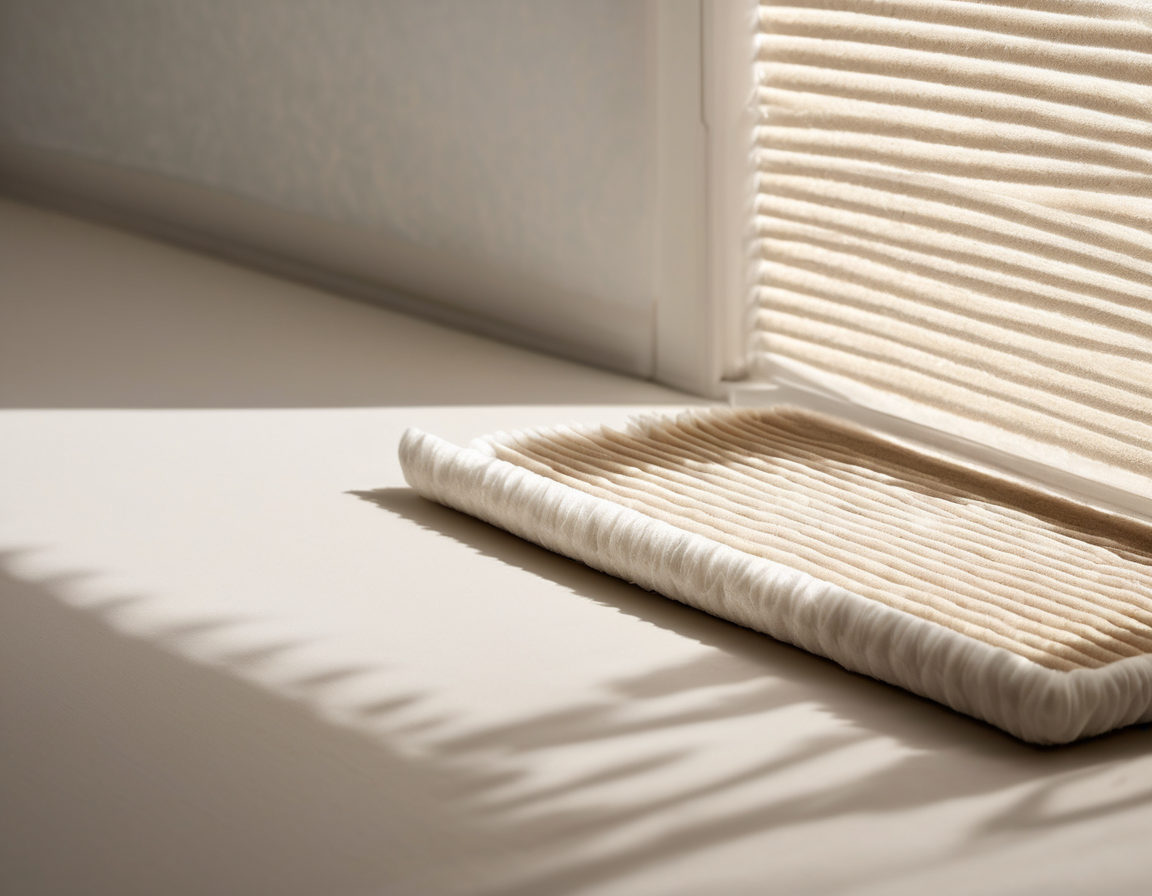
- Check your filter every 3–4 weeks — not every 90 days like the package says. The package was written for Ohio, not Phoenix, AZ.
- After any haboob, inspect the filter immediately. Replacing it the next day is not overcautious — it’s correct.
- Seal gaps around registers and returns — especially in homes near the 51 corridor or in Gilbert’s newer subdivisions where builder-grade installation left gaps.
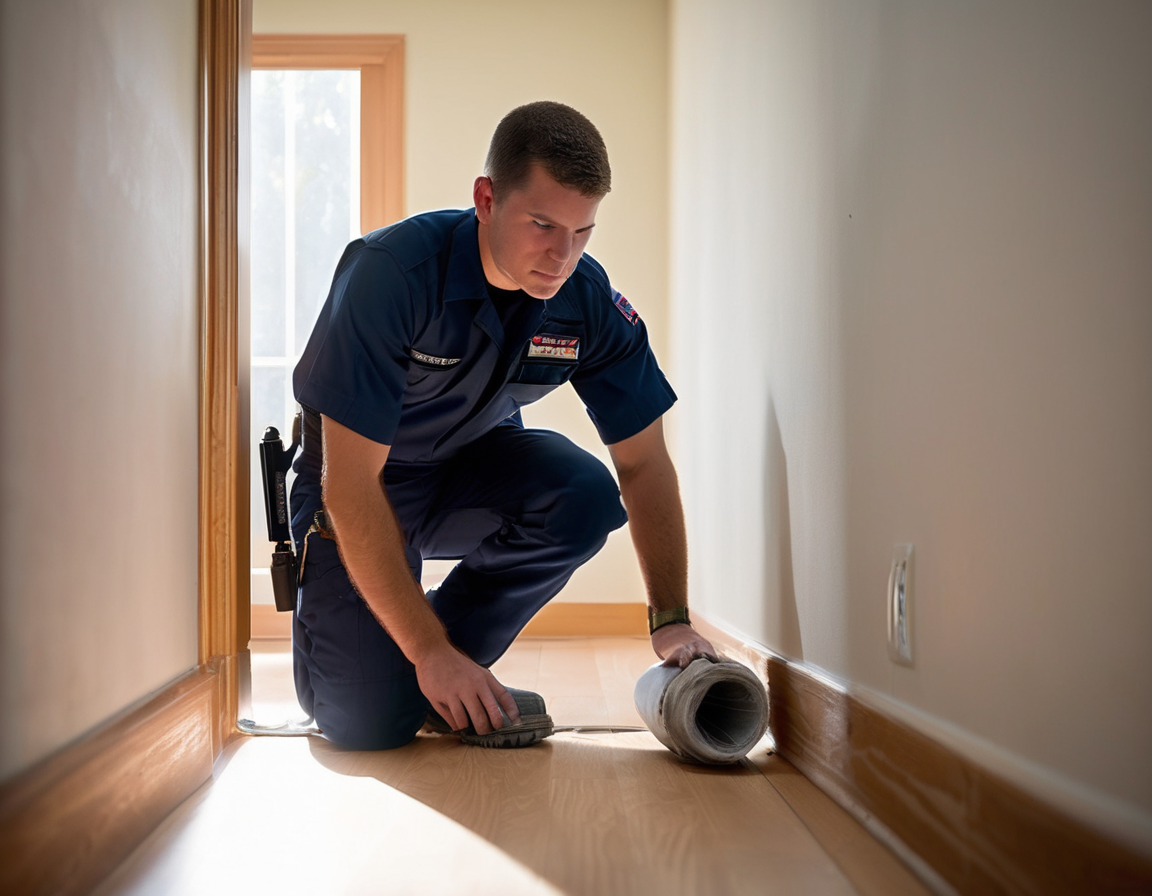
- Schedule professional duct cleaning on a tighter cycle here than national averages suggest. Every 2–3 years is realistic in Maricopa County, not every 5.
And if you’re still seeing dust settle on furniture two days after cleaning, the ducts themselves are the source — not your cleaning habits. We covered exactly that in our piece on why your house is still dusty even after you just cleaned it.
Also worth noting: your fresh air intake may be pulling outdoor desert air directly into the system. If you haven’t had that checked, it’s worth a look — especially in homes near open desert edges in north Scottsdale or Paradise Valley.
Why a Local Family Business Matters Here
A franchise crew rotating techs every visit doesn’t build the kind of knowledge that comes from cleaning thousands of AZ homes over two decades. We know what Chandler’s clay soil does differently from Paradise Valley’s caliche-heavy desert. We know what a post-haboob filter looks like versus a system that just hasn’t been serviced in four years. That difference matters when someone in your house has asthma.
We’re not interested in upselling you. We’re interested in showing you what we actually found — on camera if needed — and explaining it in plain language before we do anything. That’s how we’d want it done in our own home.
If your system has been working harder than it should, your filter is turning grey faster than it used to, or someone in the family has been struggling with allergies this season — give Pure Air Service a call at (623) 552-3176. We’ll tell you straight what we see, and we’ll fix what actually needs fixing.
Some content on this site is AI-assisted and may not reflect exact current details — please verify with Pure Air Service at (623) 552-3176. Learn more.