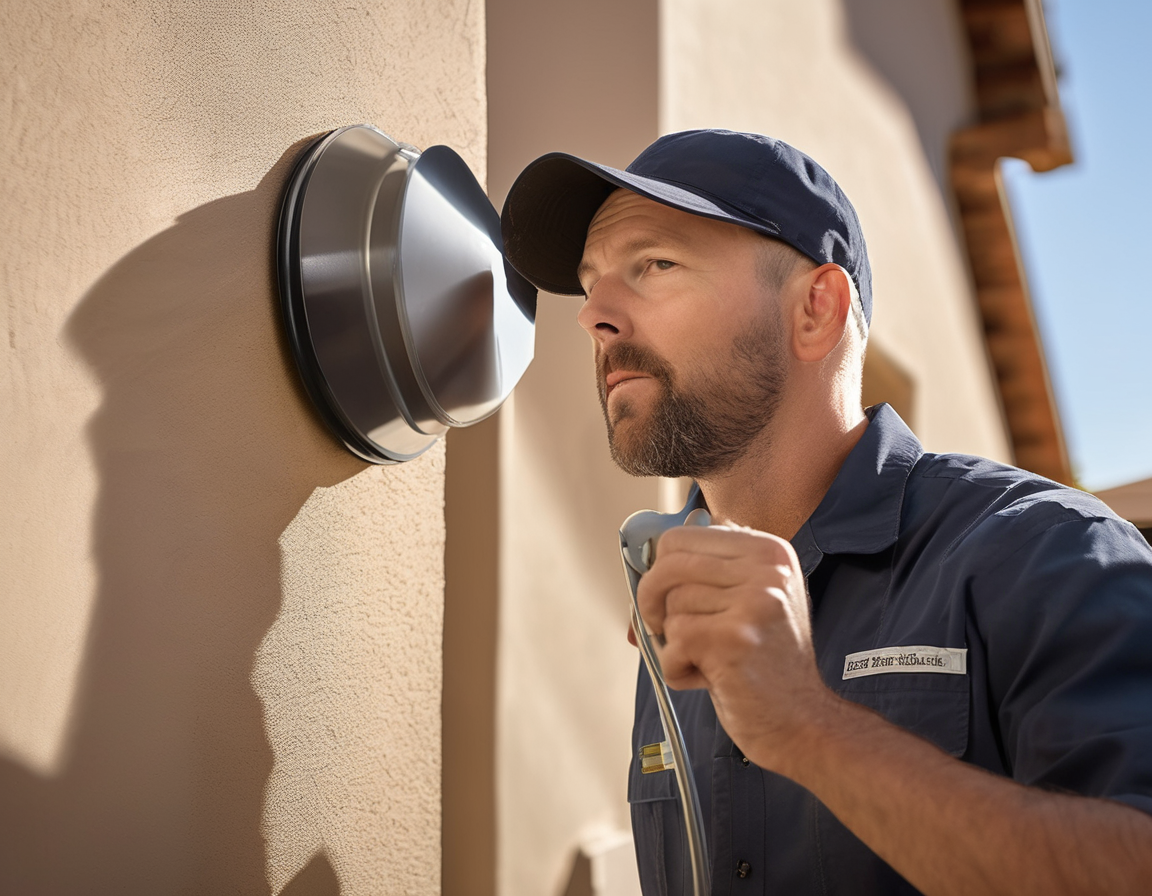
If you’re searching for Bird Nest in Dryer Vent Signs, you’re already ahead of most homeowners in Phoenix. Birds — house sparrows and starlings especially — target dryer vents because warm exhaust air makes them feel like a ready-made home. A nest forms fast, blocks airflow silently, and can create a genuine fire risk before you notice anything is wrong. Here’s exactly what to check before your next load of laundry.
7 Clear Bird Nest in Dryer Vent Signs to Check Right Now
Each item below takes two minutes or less to verify. Work through the list before dismissing the problem as “just slow drying.”
- Damper flap stuck open or won’t move. Step outside and look at the vent cap. It should snap shut when the dryer stops. If it’s wedged open — or you see plant material poking out — a nest is almost certainly the cause.
- Clothes taking two cycles to dry. A nest acts like a cork. Moist air can’t escape, so your dryer runs longer and hotter. A full cotton load that used to take 40 minutes now takes 60–80? Something is blocking the airflow. Read more about what happens when a dryer vent gets completely blocked to understand how quickly this escalates.
- Scratching, chirping, or rustling near the laundry area. If the family hears it, the nest is active or recently vacated. Don’t run the dryer — the heat can be fatal to the birds and create a fire risk simultaneously.
- Earthy or musty smell during the drying cycle. Dried grass and feathers smell distinctly organic when hot. If your laundry room smells like a garden shed, that’s a flag. This can also explain why your laundry smells musty right out of the dryer.
- Vent cap visibly damaged or screen missing. Older homes throughout Phoenix often have caps with cracked plastic louvers — an open invitation for nesting birds. Check whether the cap is pulling away from the wall, too.
- Lint backing up into the drum or laundry room. When the vent is blocked, lint reverses direction. Finding it on clothes after a cycle — or collecting on the floor behind the dryer — means the exhaust path is compromised. This is one of the leading conditions behind the hidden fire risk sitting behind your dryer.
- Energy bill rising without a clear reason. Longer dry cycles burn more electricity or gas. Families in Phoenix often find a partially blocked vent quietly adds $15–$40 per month to their utility bill — sometimes more in summer.
When to Stop Investigating and Call a Pro
If two or more items above match your situation, this is beyond a lint-trap cleaning. Proper dryer vent obstruction removal — especially involving nesting material — requires rotary equipment, a damper inspection, and a check for damage to the duct lining. Nests also attract mites and pests, a separate problem if the material sits in a warm duct for months.
A nest doesn’t just block airflow — it soaks up moisture, harbors pests, and slowly damages the duct lining. Removing it once and sealing the entry point is the fix. Everything else is delay.
The National Fire Protection Association reports that failure to clean dryer vents is the leading cause of dryer fires, and obstructions like nests are a direct contributor. That’s not something to sit on.
Whether you’ve lived in your Phoenix home for decades or just inherited it and don’t know the vent history, our annual dryer vent inspection guide walks you through what a thorough check actually covers. You can also see what our dryer vent cleaning service includes — no surprises, just clear work.
Call Pure Air Service at (623) 552-3176 for a fast-response appointment. We serve homeowners across Phoenix and AZ — from older ranch homes near Scottsdale Road to newer builds with longer flex duct runs. We’ll show you what we find, explain what it means, and fix it right the first time.
Some content on this site is AI-assisted and may not reflect exact current details — please verify with Pure Air Service at (623) 552-3176. Learn more.