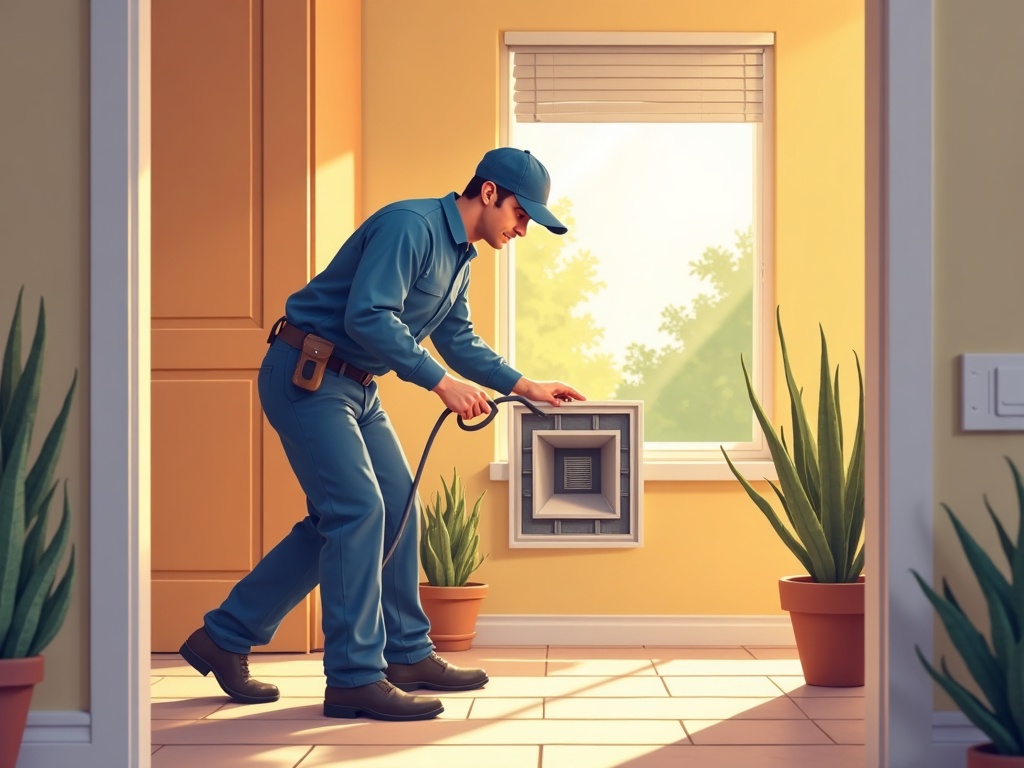
I’m Eddie, and I’ve been crawling through attics and ductwork in Phoenix, AZ and across the Valley for over twenty years. People ask me all the time: “Is it really that bad in there?” Honestly? Most of the time, yes. Let me show you What Does Inside of Ductwork Look Like after years of real use in an Arizona home — because once you see it, you can’t unsee it, and you’ll understand why your kids keep sneezing.
Year One vs. Year Five: The Buildup Nobody Talks About
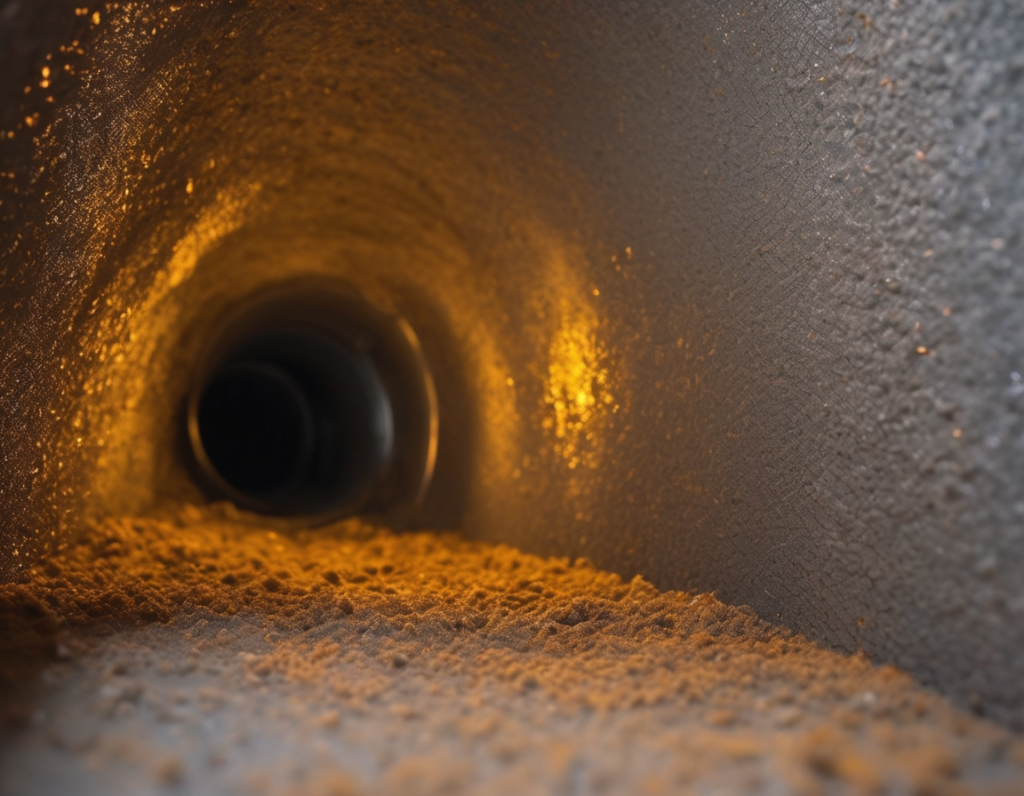
A brand-new duct is smooth, shiny, and about as exciting as a paper towel tube. But give it a year of Phoenix, AZ air — the dust, the pollen, the pet dander, the construction particulate blowing in off the desert — and a thin grey film starts coating every interior surface. By year three, that film has texture. By year five or six? We’re talking visible ridges of compressed dust, sometimes patches of dark discoloration where moisture found a seam, and in a few cases, debris that looks like the inside of a vacuum cleaner bag that was never emptied.
If you’ve ever wondered what actually happens inside your air ducts after three years in an Arizona home, the short answer is: a lot more than your HVAC company probably told you at installation.
What an Interior Duct Inspection Camera Actually Reveals
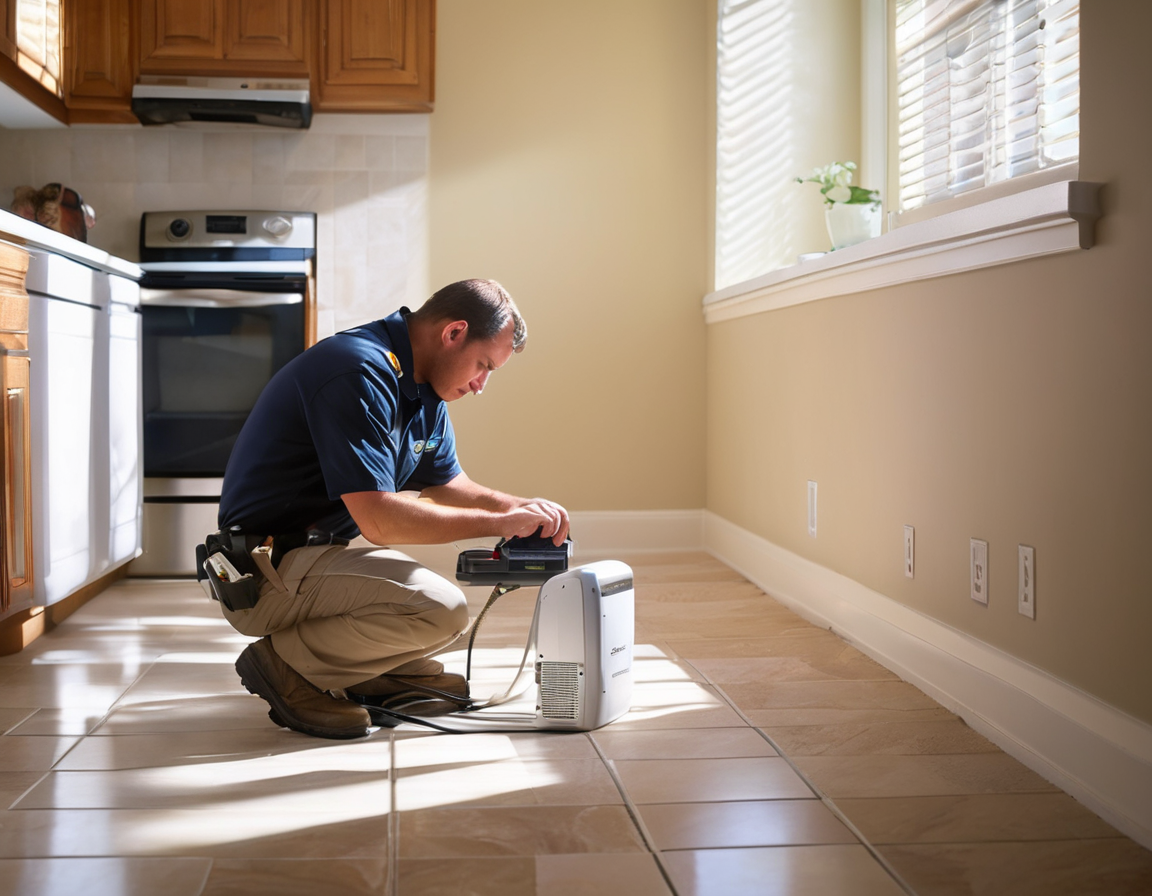
We use a duct interior inspection camera on almost every job. It’s a flexible scope with a light on the end, and it goes places your eyes simply can’t reach. Here’s what it typically finds in homes around Paradise Valley, Scottsdale, Chandler, and Gilbert:
- Dust blankets: A thick, felted layer of fine particulate settled on the floor of every horizontal run. Looks like grey carpet you never asked for.
- Biological growth: Dark spots or fuzzy patches near joints and bends where condensation collects. In Arizona’s monsoon season, this happens faster than people expect.
- Pest debris: Insect casings, rodent droppings, or the remains of something that got in and didn’t get out. I’ve seen it all, and I am never surprised anymore.
- Construction debris: Drywall dust, wood shavings, and chunks of insulation — especially in homes less than ten years old. New construction homes have dirty ducts too, and that surprises most people.
- Collapsed or separated liner: Flex duct that has kinked or pulled apart at a joint, spilling conditioned air into your attic and hot attic air into your living room.
“If your house is dusty two days after cleaning, the ducts are almost certainly the reason. You’re not losing your mind — you’re recirculating what’s inside those walls.”
— Eddie, Pure Air Service
That dusty-house feeling has a real cause. If you’re tired of wiping the same surfaces every week, read more about why your house is still dusty even after you just cleaned it — it connects directly to what’s sitting inside your ductwork right now.
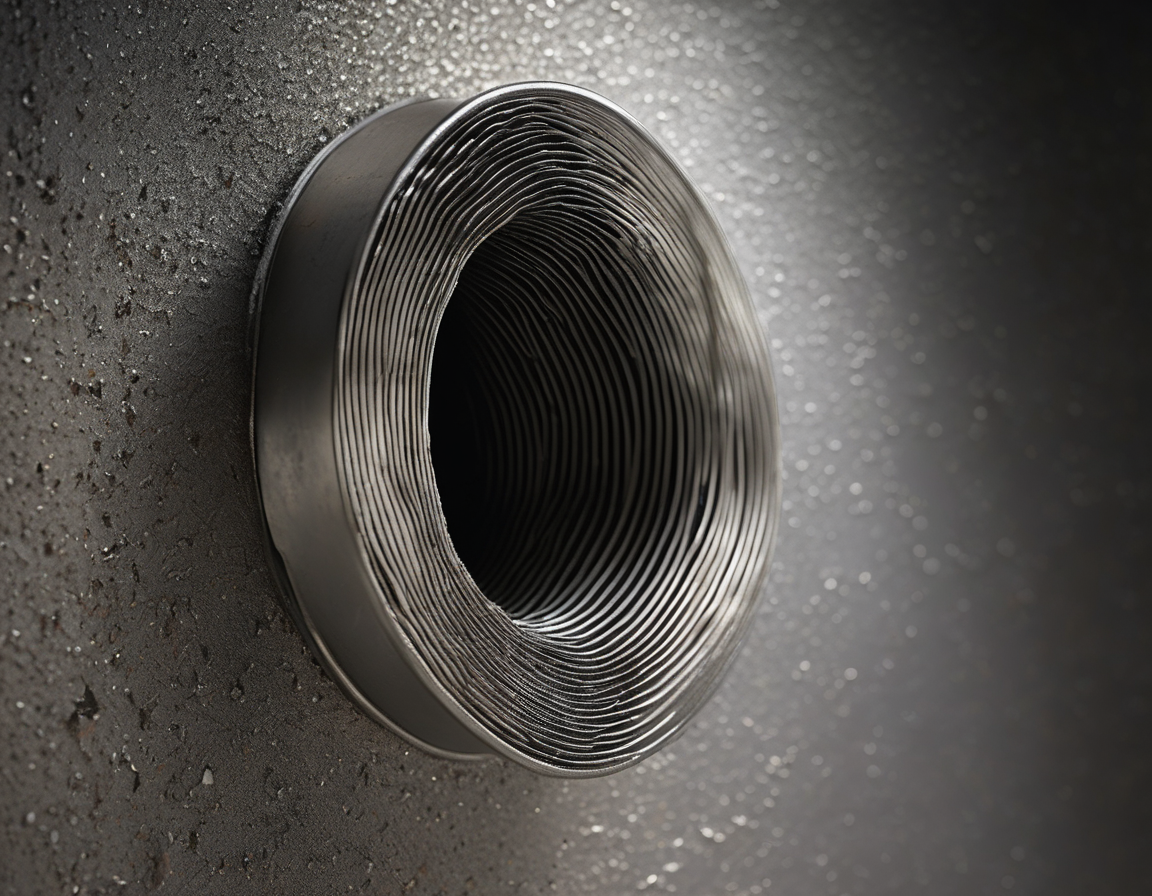
A Quick Look: What What Does Inside of Ductwork Look Like at Different Stages
| Years Since Last Cleaning | Typical Camera Findings | Health / Efficiency Impact |
|---|---|---|
| 0–2 years | Light dust film, minimal debris | Low — baseline acceptable |
| 3–5 years | Visible dust ridges, possible biological spots near joints | Moderate — allergy symptoms may worsen |
| 6–10 years | Heavy buildup, debris clumps, possible pest activity | High — restricted airflow, elevated allergens |
| 10+ years | Significant contamination, potential liner damage or mold | Very high — HVAC strain, poor IAQ, fire risk near vent boots |
The efficiency column matters more than people realize. When your ducts are clogged and partially blocked, your system works harder to push the same amount of air. That’s not a theory — it shows up directly on your APS bill every August.
Why Dirty Air Duct Photos Tell the Story Better Than Words
When we show homeowners the camera footage from their own system, most are genuinely shocked. The dirty air duct photos we capture on the scope look nothing like a clean metal tube — they look like the inside of something that hasn’t been maintained. Thick grey fur on the duct floor. Dark rings around every elbow. The occasional surprise near a return that pulls in air from the attic crawl space.
We always show you the before footage. Not to scare you — okay, maybe a little to motivate you — but because you deserve to see exactly what you’re breathing. That’s a principle we hold at Pure Air Service, and it’s a big part of what separates a family-owned operation from a franchise crew who rushes through the job and hands you a receipt without showing you anything.
Want to know what a legitimate cleaning visit actually covers? Here’s what the technician is actually checking during a professional duct cleaning visit — so you know what to expect and what questions to ask.
When to Stop Wondering and Start Calling
You don’t need to wait until someone in the house is diagnosed with something. If it’s been more than three years, if your electric bill makes you wince, if allergy season seems to last year-round in your home even when the pollen count drops — it’s time. We serve homeowners across the Phoenix metro, including Phoenix and Gilbert, and we’re happy to show you what’s inside before we touch a thing.
And if you want to stay ahead of it after the cleaning is done, the single best habit you can build is simple documentation. Read about why keeping a maintenance log for your ducts and dryer vent is one of the smartest home habits — it takes five minutes and saves you from ever having to wonder again.
The inside of your ductwork doesn’t lie. After years of use, it holds a record of everything that’s moved through your home. Let us read it with you. Call Pure Air Service at (623) 552-3176 — we’ll show you exactly what’s in there, explain what it means, and give you an honest answer about what to do next. No pressure, no bait-and-switch, just a straight-talking local family who’s been doing this a long time.
Some content on this site is AI-assisted and may not reflect exact current details — please verify with Pure Air Service at (623) 552-3176. Learn more.