Here’s the short answer: yes, there is very likely a fire risk building behind your dryer right now, and no, it’s not just the lint screen. Lint Fire Inside Dryer Drum buildup — the stuff that accumulates deep in the drum casing, the transition hose, and the exhaust duct itself — is the real culprit behind the nearly 2,900 residential dryer fires the U.S. Fire Administration tracks every year. I’m Adam, and after two decades of pulling lint out of places homeowners didn’t know existed, I can tell you most of it could have been prevented with one phone call.
Why Lint Fire Inside Dryer Drum Is More Dangerous Than You Think
Most people clean the lint screen. Great. That catches maybe 25% of what actually comes off your clothes. The rest migrates deeper — into the drum housing, around the heating element, and down the exhaust duct. In Phoenix, AZ, where homes run their dryers year-round in heat that already stresses appliances, that buildup doesn’t sit quietly.
- Lint is highly flammable. It ignites at temperatures your dryer’s heating element reaches on a normal cycle — no malfunction required.
- Restricted airflow raises heat fast. A clogged duct forces hot, moist air to back up, and a blocked dryer exhaust is one of the most common dryer overheating causes we find on every service call.
- Gas dryers carry an added layer of risk. Gas dryer vent safety concerns go beyond fire — a restricted vent can push combustion byproducts back into living space instead of exhausting them outside.
- The signs are easy to miss. Clothes taking two cycles to dry, a dryer that’s hot to the touch, or a faint burning smell during a cycle — these aren’t quirks, they’re warnings.
What the Fire Marshal Actually Recommends
The fire marshal dryer vent recommendation is simple and consistent: have the full duct system professionally inspected and cleaned once a year — more often if you run large loads, have a long duct run, or use flexible foil ducting instead of rigid metal. If you’ve lived in your home for three or more years and never had it done, your vent has been quietly packing itself tighter every single load.
The lint screen is a filter, not a solution. What it doesn’t catch goes somewhere — and that somewhere is exactly where fires start.
- Duct length matters. Homes in Chandler and Gilbert with laundry rooms on the interior of the house often have longer duct runs with multiple elbows — lint accumulates fastest at every bend.
- Plastic or foil flex duct is a known hazard. Fire codes in many jurisdictions require rigid metal. If yours is still flex, that’s worth knowing — read more about when it’s time to replace your dryer duct entirely rather than just cleaning it.
- Annual inspection catches more than lint. A proper service checks the exterior termination cap, confirms airflow velocity, and looks for signs of backdrafting — things a homeowner with a vacuum attachment simply can’t assess. Our post on what a dryer vent inspection actually covers breaks this down in plain language.
What You Can Do Before We Arrive
There are a few simple habits that reduce risk between professional cleanings — and one very important check you can do today.
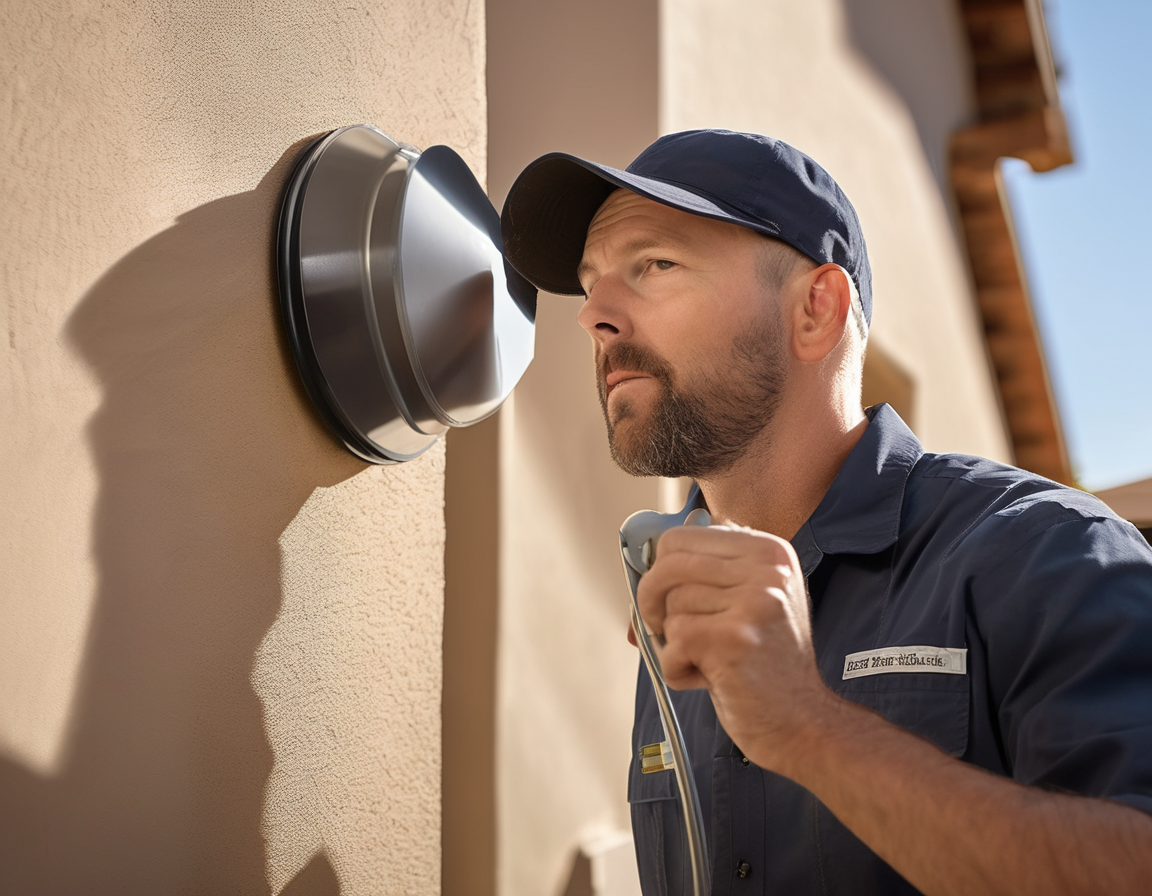
- Check the exterior vent cap right now. Go outside, find where your dryer exhausts, and watch it run a cycle. The flap should open fully and close cleanly. A cap caked with lint or blocked by a bird nest is an immediate problem.
- Never run the dryer overnight or when you leave the house. This one’s free and takes zero effort. Most dryer fires happen when no one’s awake or home to notice.
- Clean the lint screen every single load — both sides, not just a quick swipe.
- Keep reading on simple habits that keep your dryer vent safer all year for more between-service tips.
If you’re a homeowner in Phoenix, Scottsdale, Paradise Valley, Chandler, or Gilbert — especially if you’ve been in your home three or more years without a dryer vent service — this is the one maintenance item worth scheduling before summer heat adds even more stress to your appliances. A professional cleaning typically runs $89–$169 depending on duct length and configuration, and it takes about an hour. That’s a straightforward trade for genuine peace of mind.
We also want to be clear about what we’re not doing: no bait-and-switch, no phantom add-ons, no different technician showing up than the one you spoke with. Want to know how often dryer vent cleaning is actually necessary for your specific setup? We’ll tell you honestly — even if the answer is “you’ve got another year.”
Some content on this site is AI-assisted and may not reflect exact current details — please verify with Pure Air Service at (623) 552-3176. Learn more.