
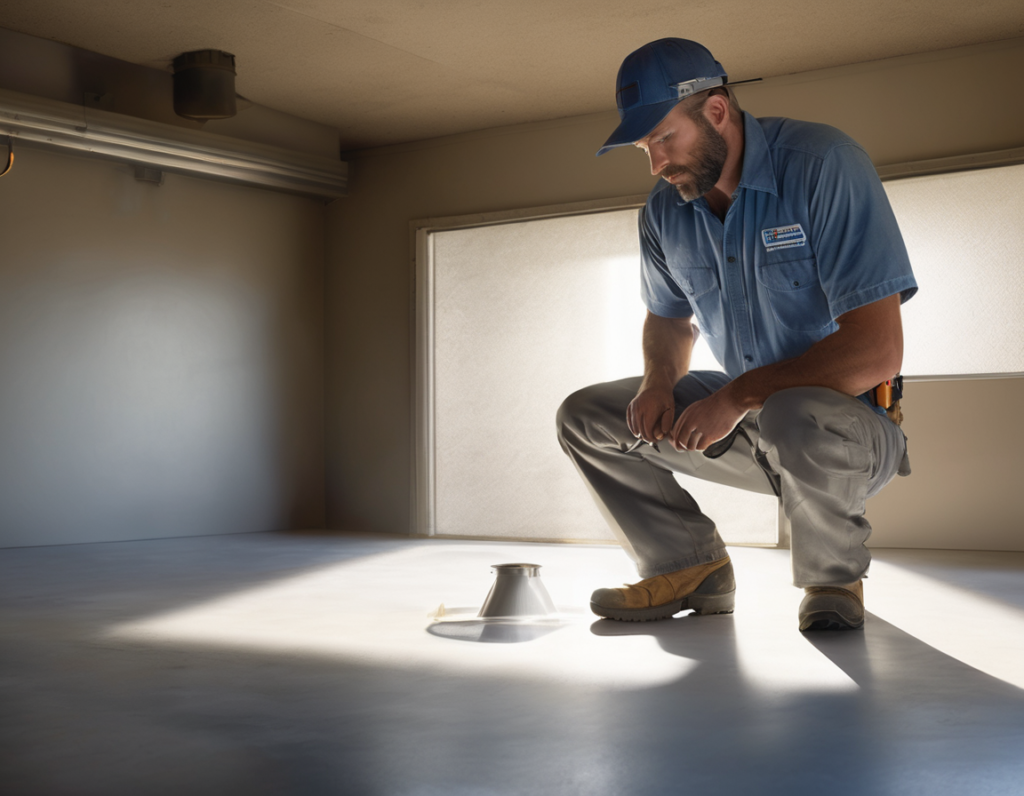
Hi, I’m Eddie — and I’ve been doing Ductwork in Garage Inspection visits long enough to know that the garage is almost always the last place a homeowner thinks about and almost always the first place I find something genuinely alarming. In Phoenix, AZ and across Maricopa County, a huge percentage of homes route supply or return ductwork right through an attached garage. That single design choice creates a category of risk that’s completely different from anything happening in your attic or under the house — and most people have no idea it’s there.
Why the Garage Is Not a Safe Place for Ductwork
Your garage is not conditioned living space. It collects car exhaust, pesticides, lawn chemicals, paint fumes, and whatever else you store out there. When ductwork runs through that space — especially flexible duct that develops even a small tear or a loose joint — your HVAC system can pull those fumes directly into the air your family breathes. Carbon monoxide from a cold-start vehicle, volatile organic compounds from stored solvents, even dust that smells faintly of motor oil. None of that belongs in your lungs, and none of it shows up on a basic filter inspection.
The Building Performance Institute and the EPA both flag garage-to-living-space air leakage as a serious indoor air quality concern — not a minor footnote. If your home was built or renovated without careful attention to duct sealing in that transition zone, you may have been slow-dosing your household with garage air for years.
What a Real Ductwork in Garage Inspection Actually Looks For in the Garage
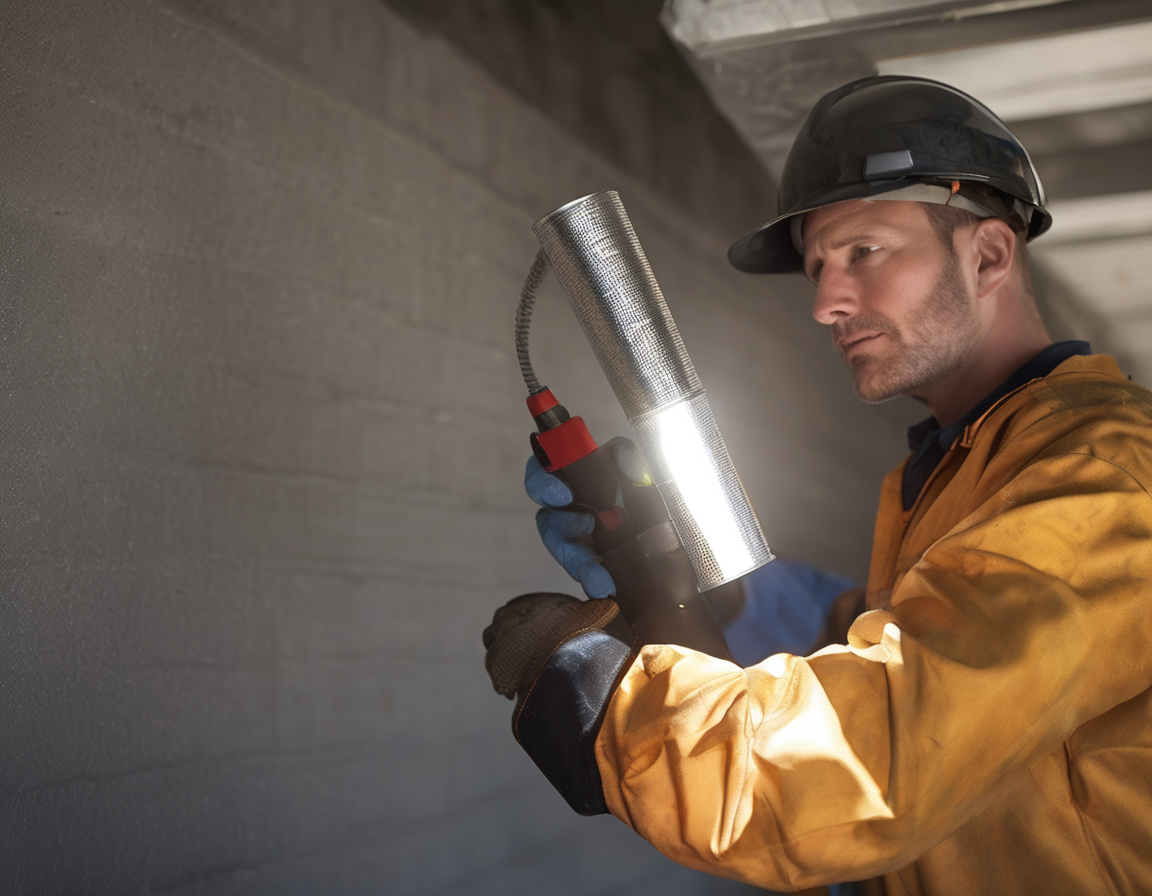
A rushed franchise crew will vacuum your registers, hand you a receipt, and be gone in 45 minutes. What they won’t do is pull on a headlamp and physically trace every section of duct that passes through or near your garage. Here’s what we look for when we do this right:
- Disconnected or partially separated joints — flexible duct can pull away from its collar over time, especially in the heat cycling that Phoenix and Scottsdale homes experience every summer. A register that barely blows air is often the first symptom homeowners notice.
- Crushed or kinked sections — garage ductwork gets bumped, stepped on during storage retrieval, and compressed by shelving. Kinked flex duct restricts airflow and forces your system to work harder.
- Tears, punctures, or rodent damage — yes, rodents love the garage. They chew through flex duct for nesting material, and the resulting gaps pull in exactly the kind of air you don’t want circulating through your home.
- Missing or degraded mastic sealing — original builder-grade mastic often cracks and separates after a few Arizona summers. This is especially common in tract homes built in the late ’90s and early 2000s in areas like Chandler and Gilbert.
- Moisture intrusion — less common in AZ but it happens when a water heater or utility sink is nearby. Moisture inside ductwork is a mold setup waiting to happen.
“The most dangerous duct problem isn’t the one that makes your system loud or your bill high. It’s the quiet gap in the garage that you can’t smell, can’t see, and never think to check.”
— Eddie, Pure Air Service
The HVAC Duct Condition Report: What You Should Walk Away With

A legitimate inspection visit should produce something written — what we call an hvac duct condition report. This isn’t a sales document. It’s a clear record of what was found, where the problems are located, and what the actual priority level is. If a technician can’t hand you something like that, you’re not getting an inspection. You’re getting a sales pitch dressed up as one. We document every finding with notes and, where accessible, photos. We also note things that are fine — because honest reporting means telling you what doesn’t need work just as clearly as what does.
For homes in Paradise Valley or Scottsdale where the HVAC systems are larger and duct runs are longer, this documentation matters even more. You may have sections of duct in the attic, under the house, and through the garage all in the same system. Understanding the under house ductwork condition alongside the garage sections gives you a complete picture — not just a partial one. Curious what that kind of damage actually looks like up close? Here’s what the inside of your ductwork actually looks like after years of use — it’s not pretty, but it’s useful to know.
Garage Duct Problems vs. Other Common Duct Issues
| Location | Most Common Issue | Health Risk Level | Airflow Impact |
|---|---|---|---|
| Garage | Disconnected joint, fume infiltration | High | Moderate to High |
| Attic | Disconnected duct in attic, heat loss | Moderate | High |
| Under House (crawlspace) | Moisture, pest damage, sagging flex | Moderate | Moderate |
| Interior walls/ceilings | Collapsed liner, debris buildup | Low to Moderate | Low to Moderate |
Notice the garage sits at the top for health risk. That’s not an accident. Attic problems are serious — a disconnected duct in the attic wastes a staggering amount of conditioned air and drives your APS bill up — but the air leaking into an attic duct is just hot attic air. The air leaking into a garage duct could be genuinely toxic.
A Note on Builder-Grade Ductwork in Phoenix, AZ Homes
If your home is more than ten years old and was part of a large development in Phoenix, Chandler, or Gilbert, there’s a reasonable chance the original ductwork was installed to minimum code — not best practice. Builder-grade ductwork in Arizona tract homes tends to degrade faster than it should, and the garage sections are usually the least inspected and worst maintained. We’ve seen homes in the East Valley where the garage duct looked like it had never been touched since the home was built in 2003.
If you’ve noticed your house is still dusty even right after cleaning, or family members seem to have allergies that never quite go away, the garage duct is worth a serious look. Persistent dust after cleaning is one of the clearest signs your duct system is redistributing contaminants rather than containing them.
What to Do Next If You’re in Phoenix, AZ
You don’t need to panic, but you do need to know what’s in your garage ductwork — especially if you have kids with asthma, an elderly parent at home, or you’ve simply never had the system properly inspected. We serve homeowners across Paradise Valley, Phoenix, Chandler, and Gilbert — and we show up with the same tech every time, because we’re a family operation, not a dispatch center. We’ll tell you exactly what we find, show you the documentation, and give you honest recommendations. If something doesn’t need fixing, we’ll tell you that too.
Call Pure Air Service at (623) 552-3176 and let’s get your garage ductwork on the inspection list before the next Arizona summer turns your HVAC into a fume pump. You’ve worked too hard on your home to leave that one unexamined.
Some content on this site is AI-assisted and may not reflect exact current details — please verify with Pure Air Service at (623) 552-3176. Learn more.